
Preparing for an Inspection? Commercial Kitchen Extraction Cleaning Checks to Avoid Last-Minute Problems
Commercial Kitchen Inspections
How Should You Prepare Your Commercial Kitchen Extraction System for an Inspection?
If you have an inspection coming up, your extraction system is one of the areas worth checking before anyone arrives on site.
Exactly what is checked will depend on the type of inspection, but your extraction cleaning history, system condition and supporting records are sensible areas to review beforehand.
The visible parts may look clean enough, but that does not tell you much about the condition of the wider system.
Grease can collect further inside ductwork, around fans and in areas that are easy to overlook during normal kitchen use.
The most useful place to start is not with appearances. It is with the cleaning history, the scope of the last service and the records you have to support it.
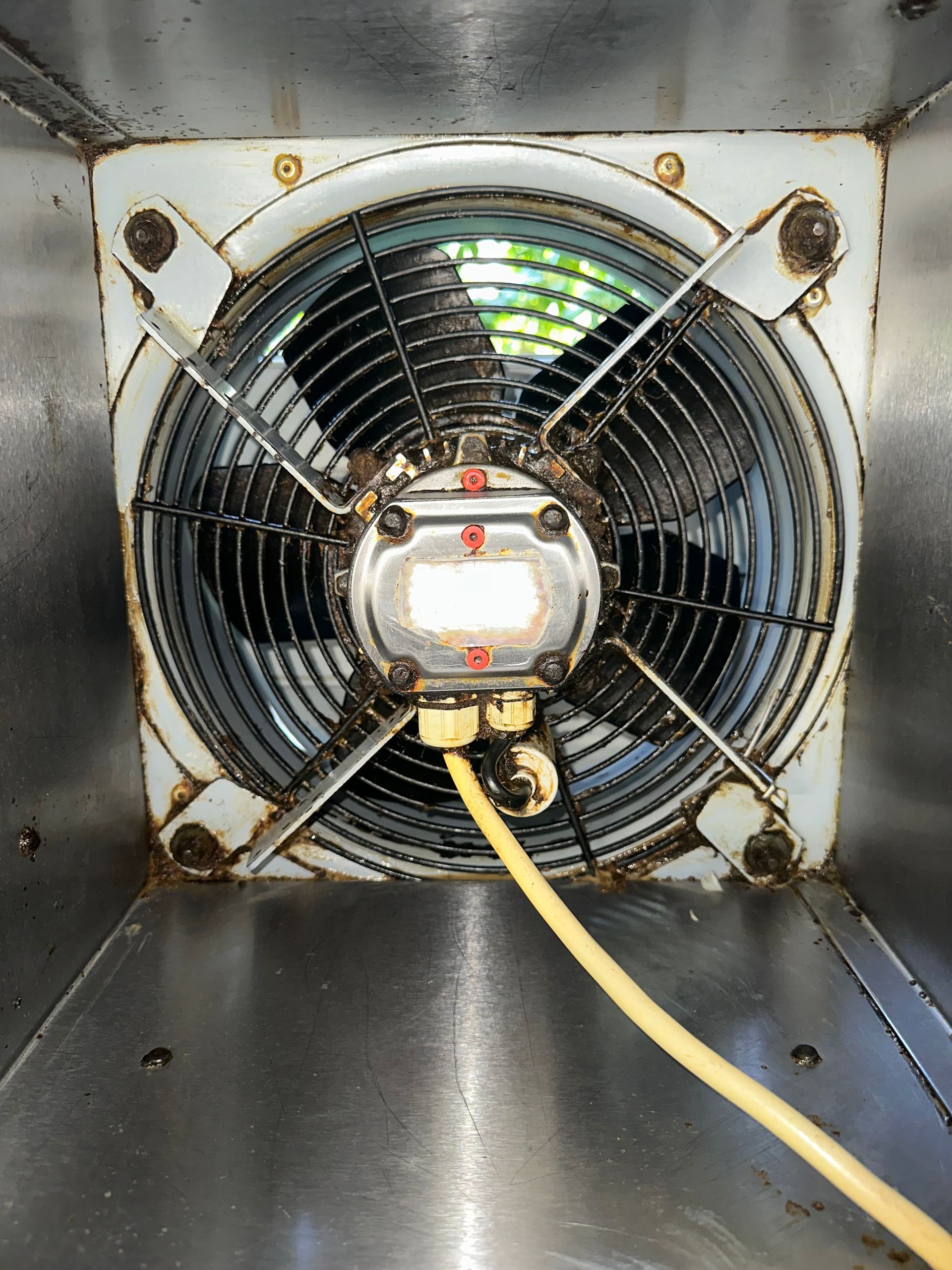 After
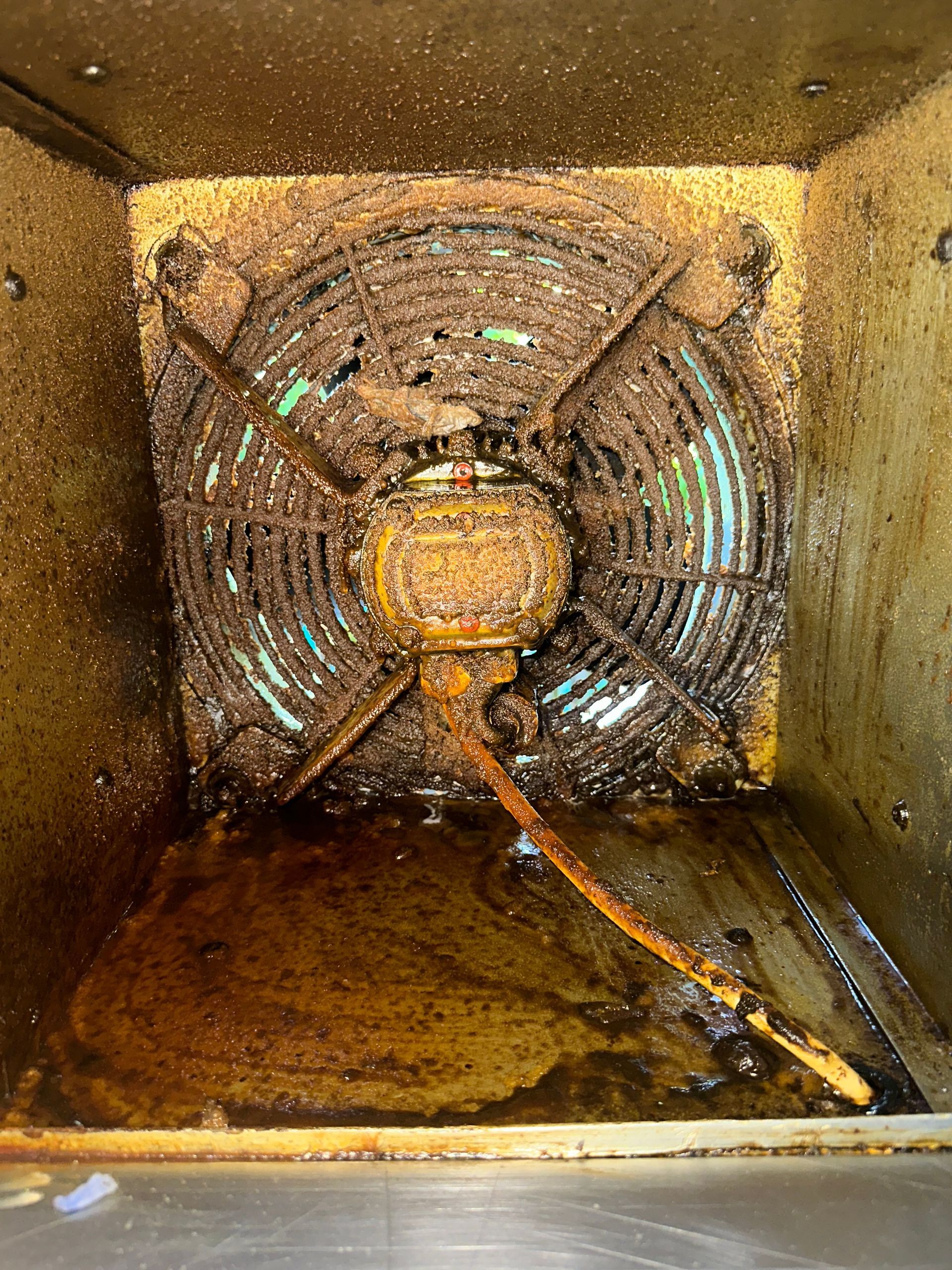 Before
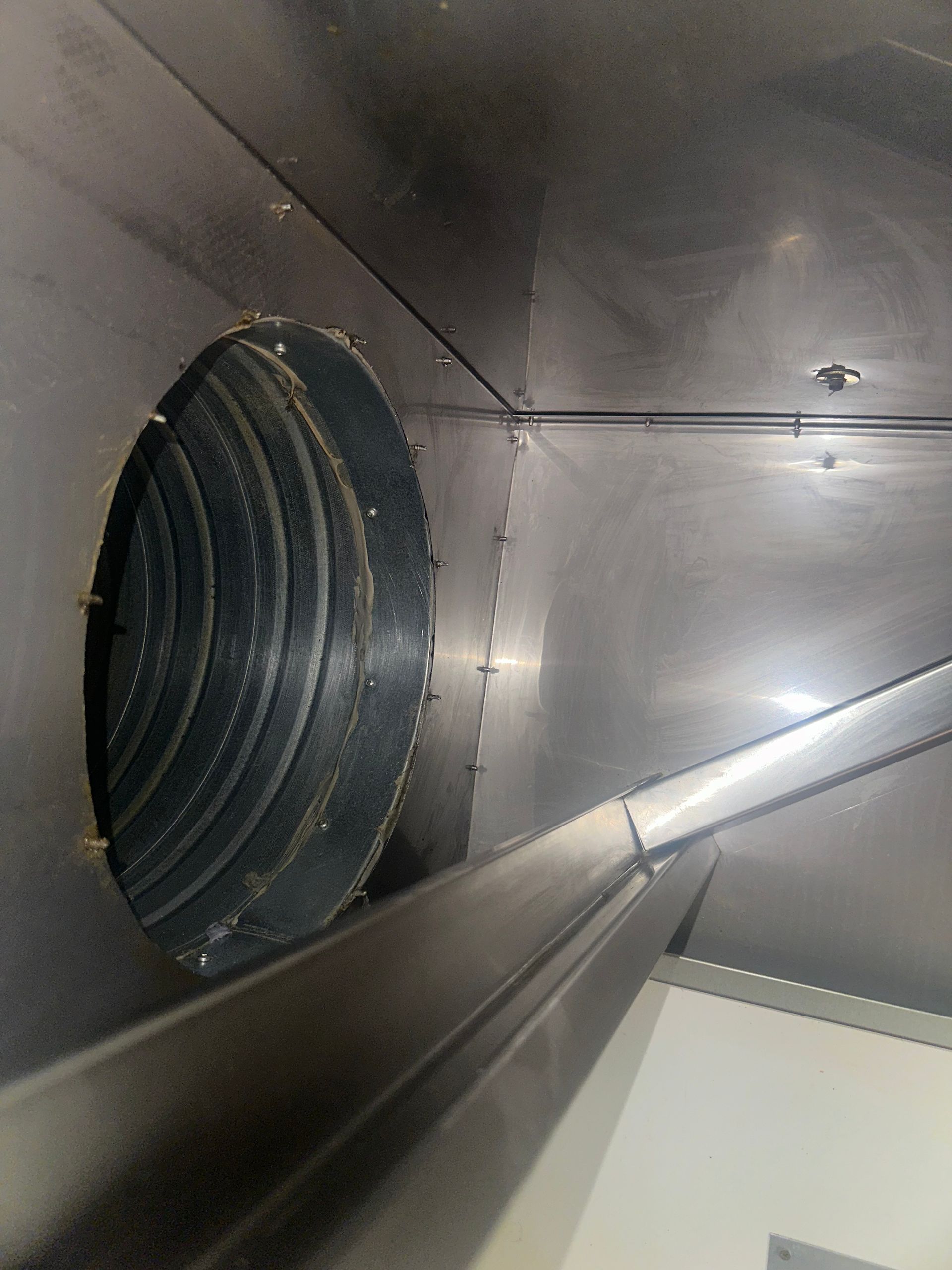 After
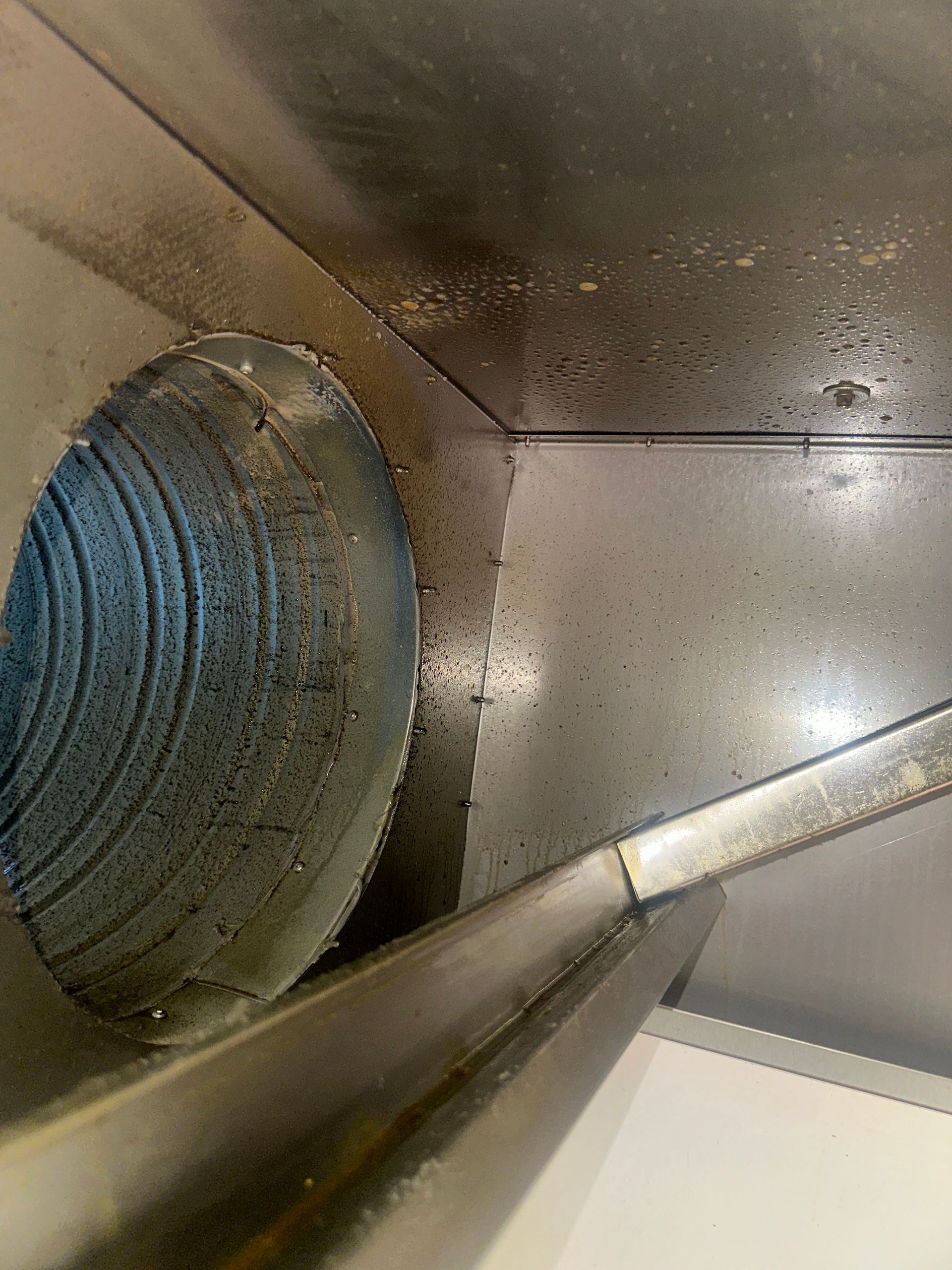 Before
Commercial Kitchen Extraction Cleaning Before an Inspection
Check Your Cleaning History, Records, System Access and Current Condition Before the Inspection
Start with the basics.
When was the extraction system last professionally cleaned, and what did that clean actually include?
Look for:
- The date of the most recent clean
- The contractor who completed the work
- The areas of the extraction system included
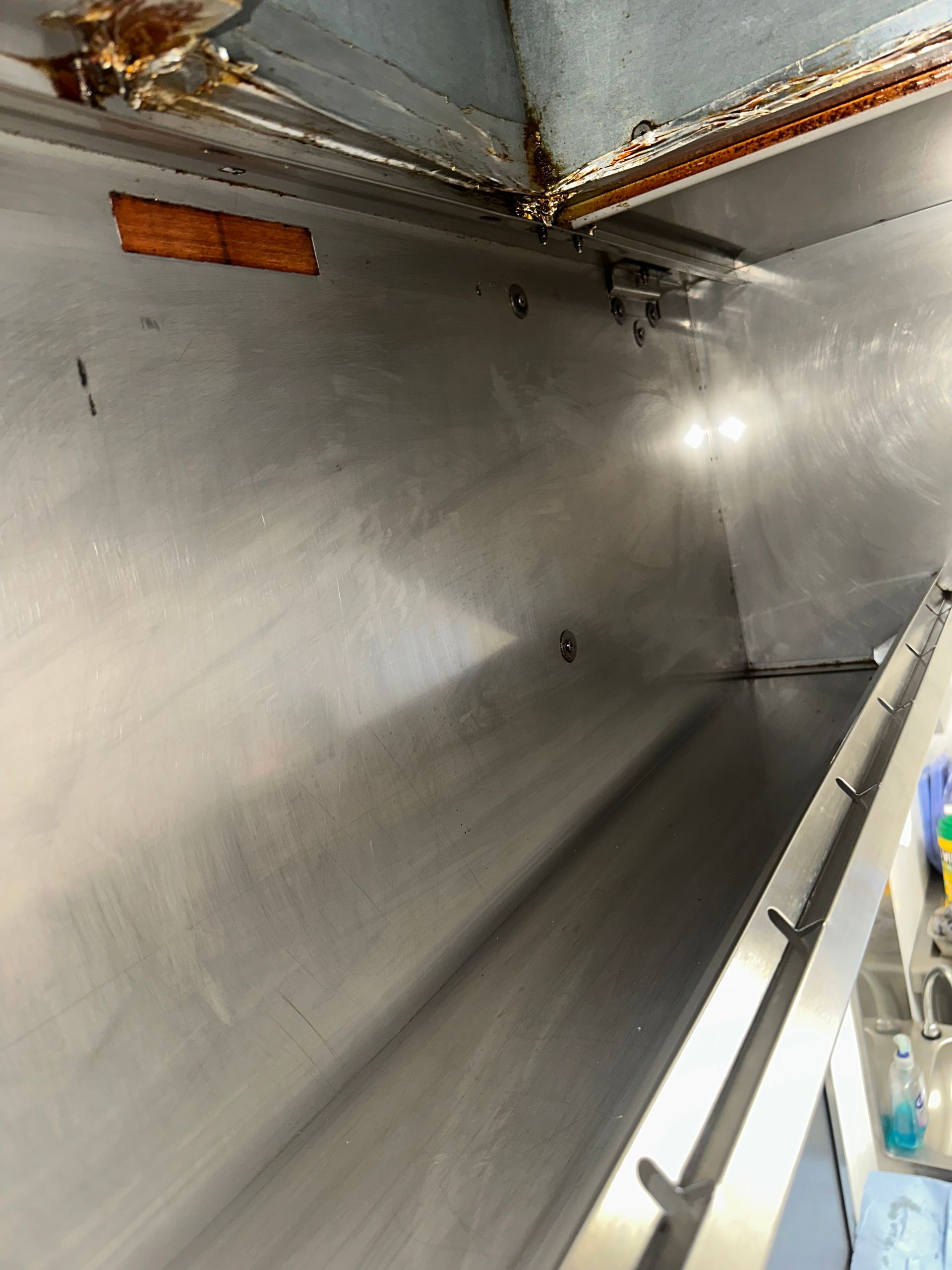
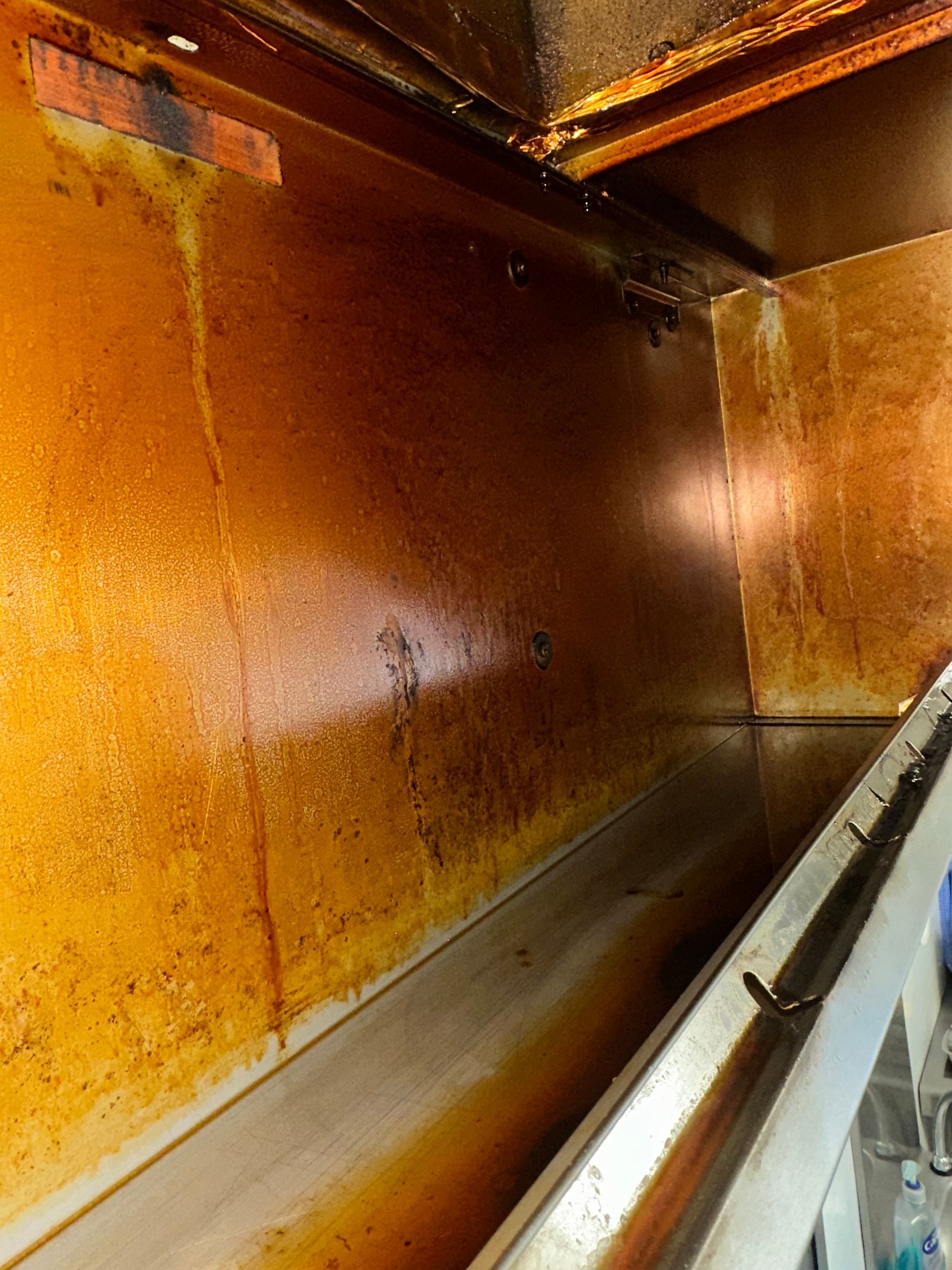
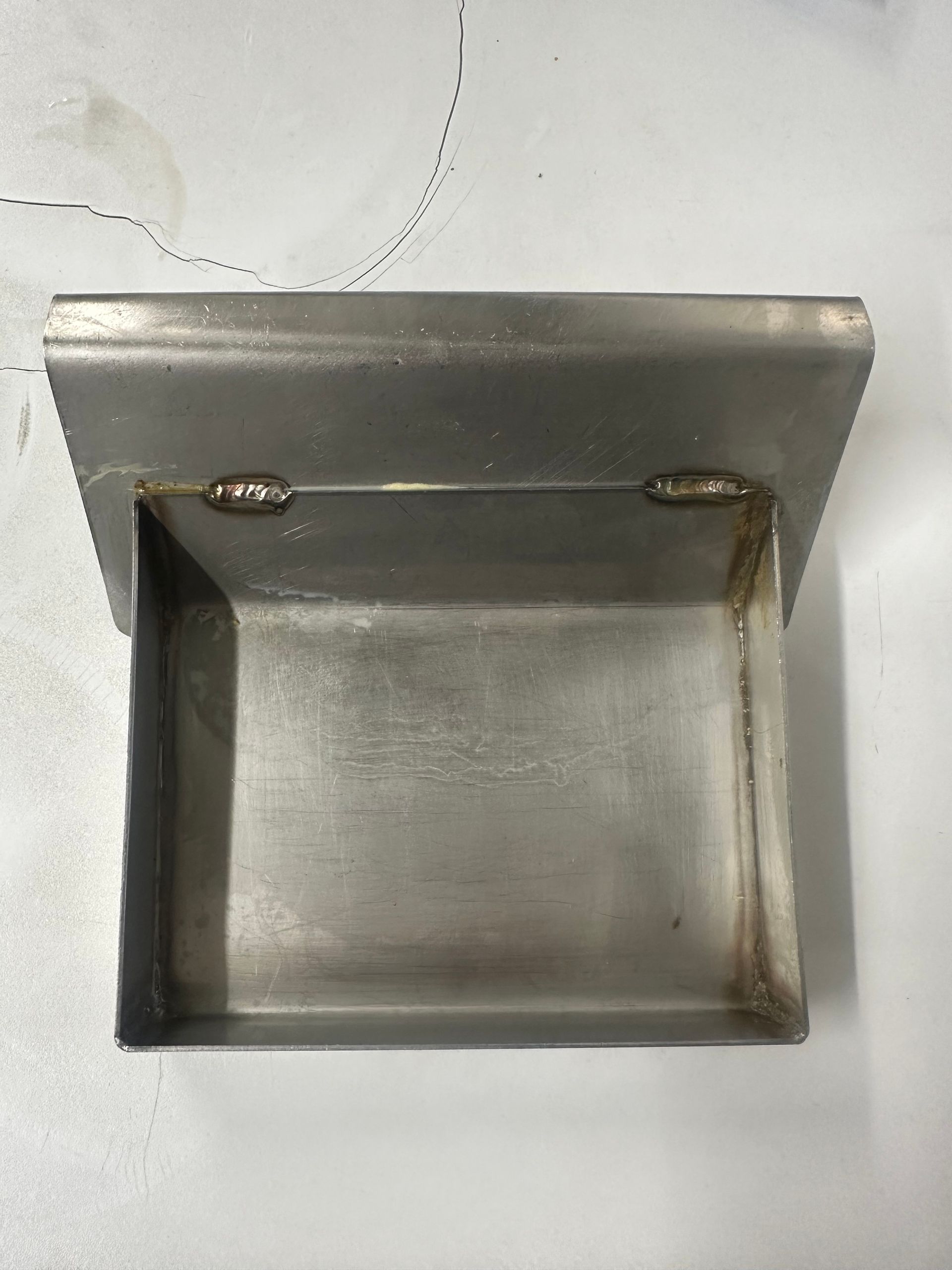
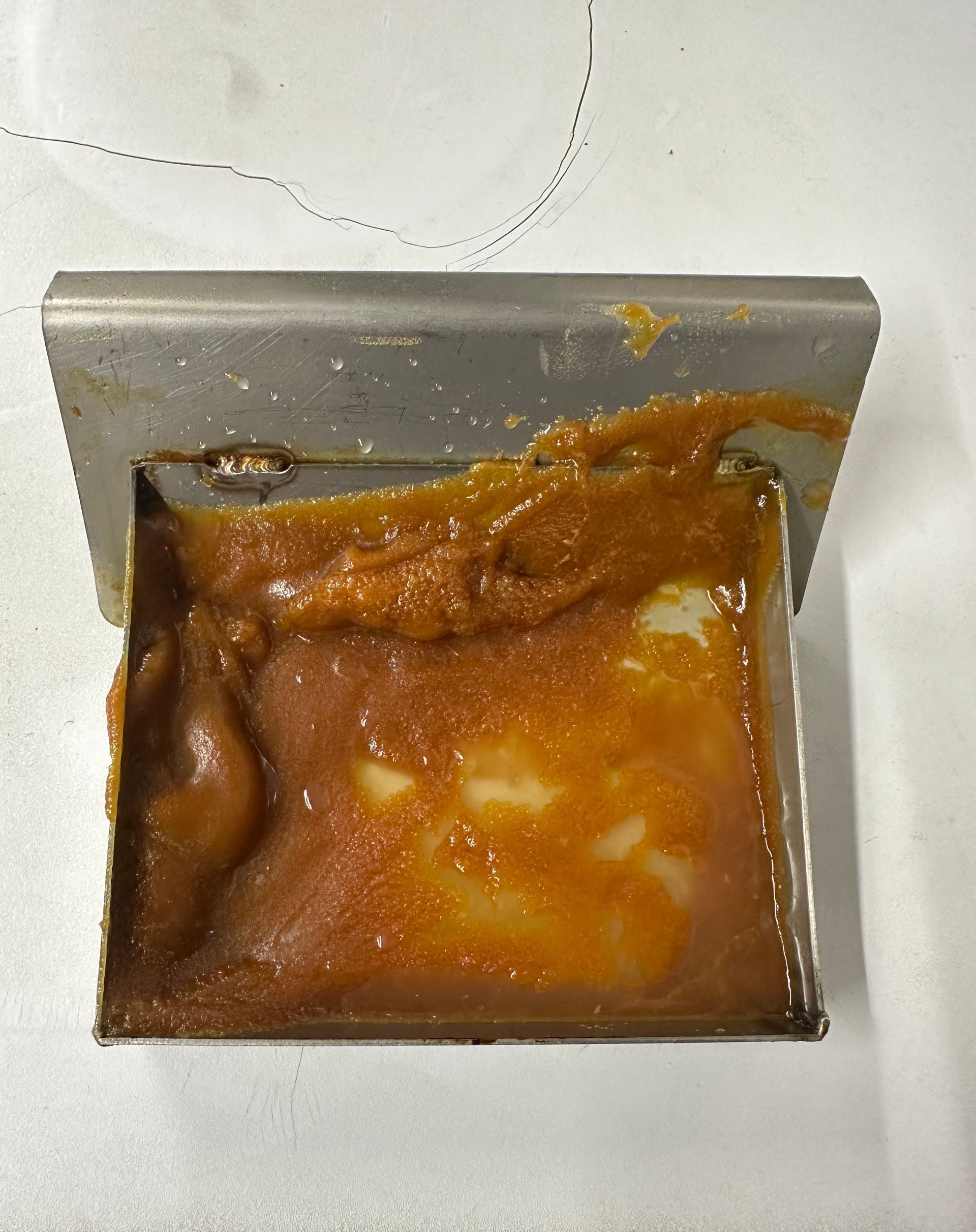
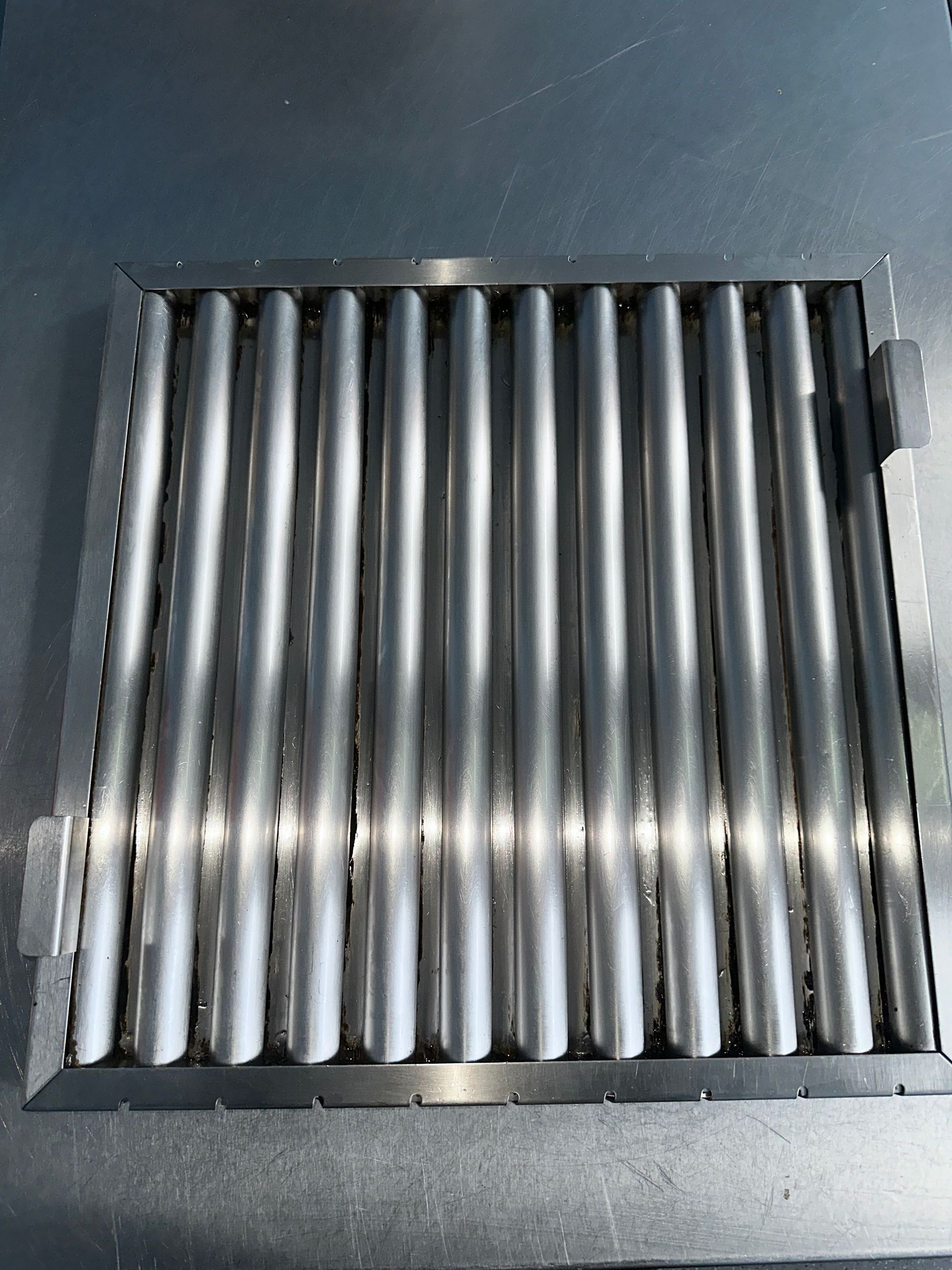
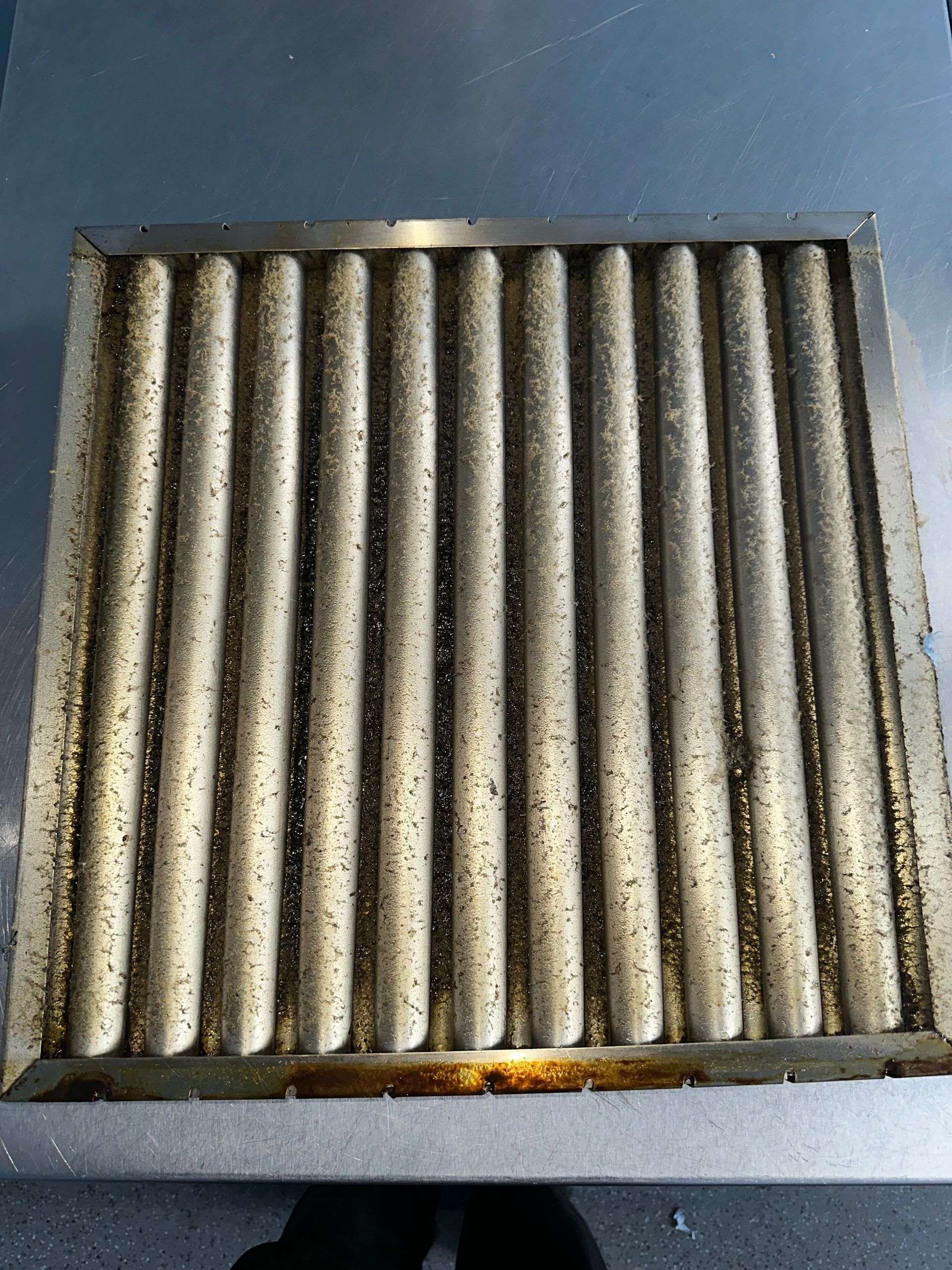
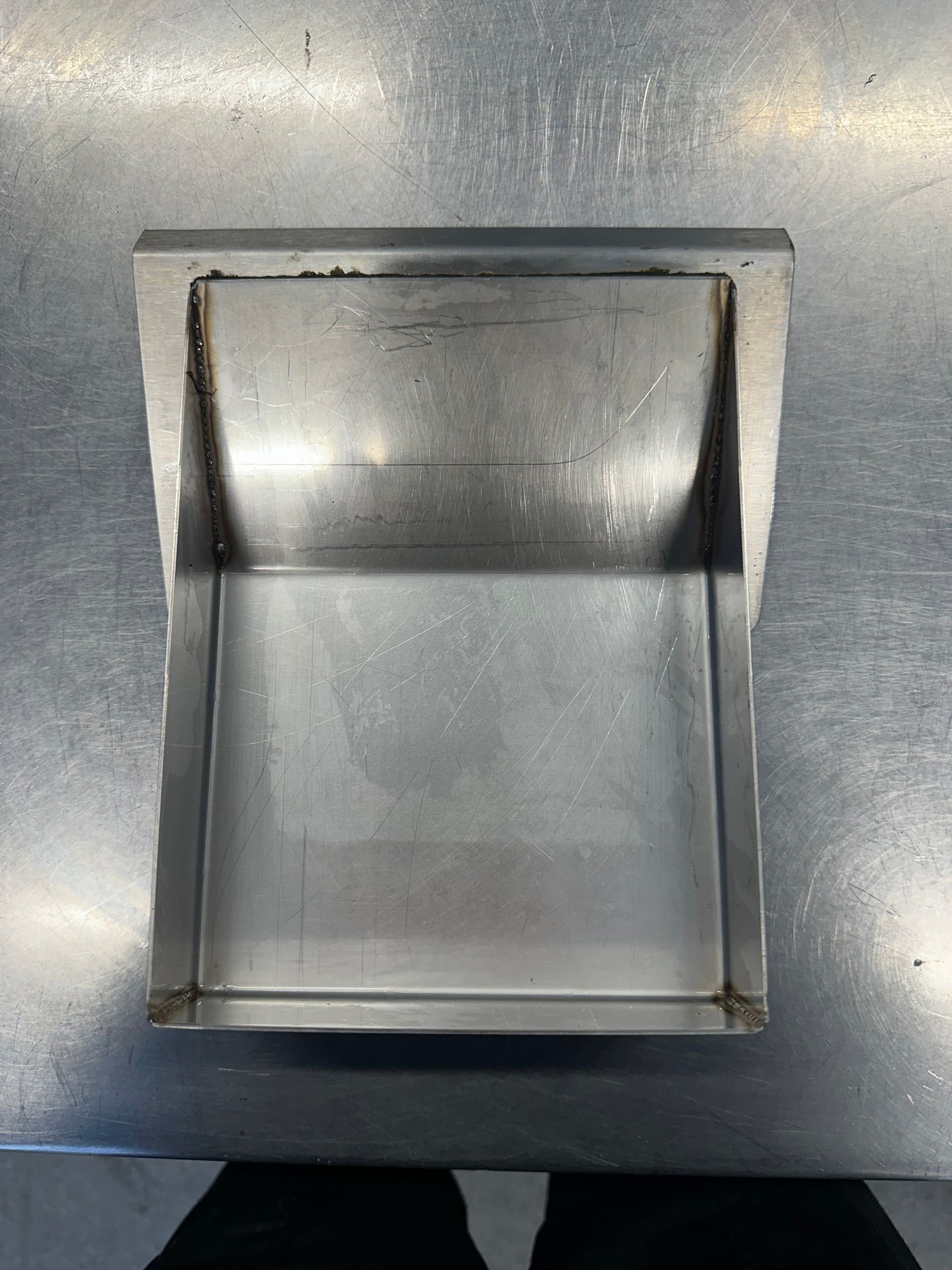
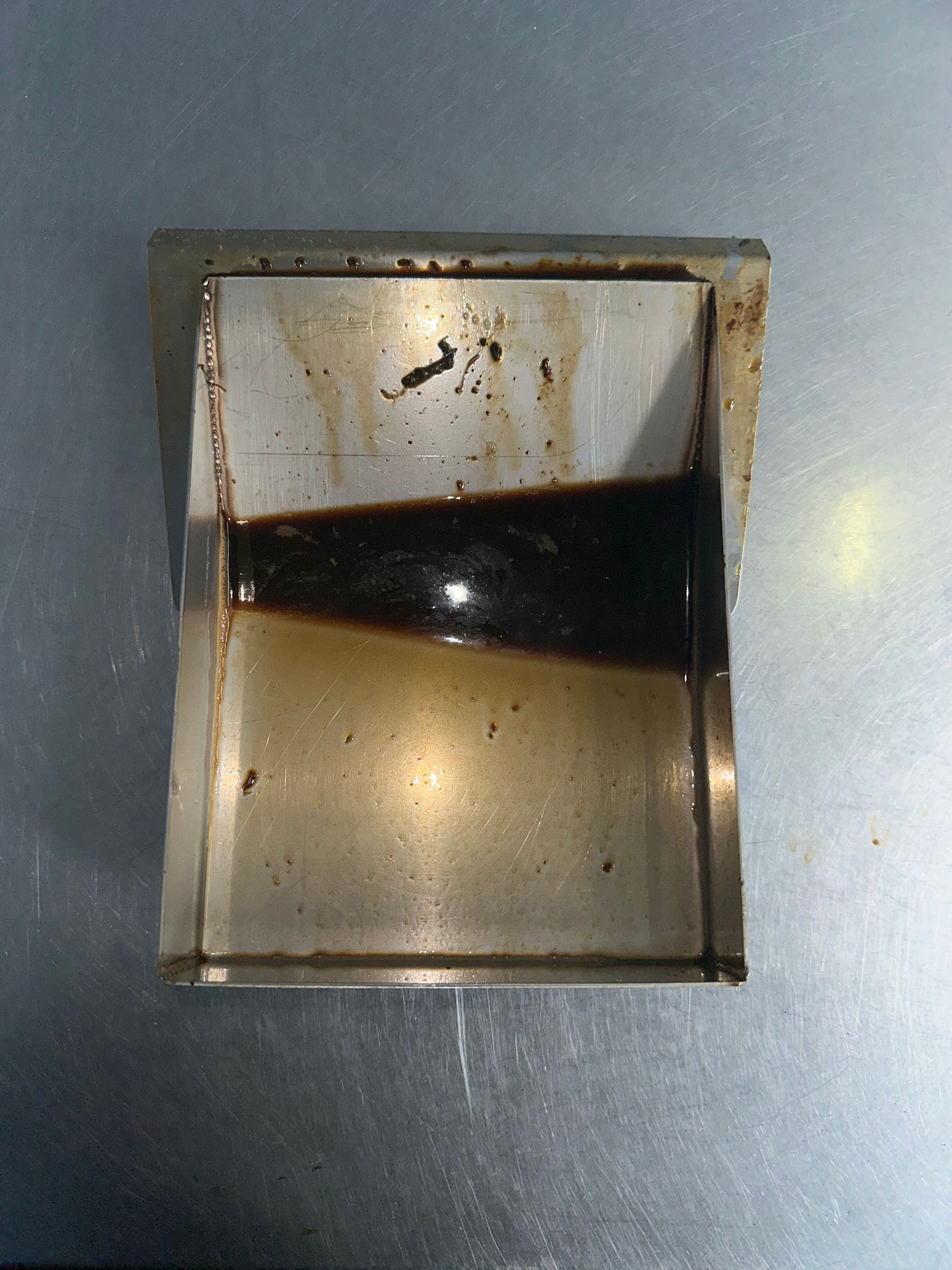
- Any before-and-after photographs
- Cleaning reports or certificates
- Recommendations for future cleaning
- Notes about access limitations or areas that could not be reached
If the paperwork only says something vague such as “extractor cleaned”, that is worth looking into.
There is a big difference between cleaning the visible canopy and
cleaning the wider extraction system properly.
TR19 Cleaning Records and Documentation
Check What Was Cleaned, What Could Not Be Accessed and What Evidence You Have to Show for It
TR19 Grease is an industry specification produced by BESA for managing fire risk from grease accumulation within commercial kitchen extraction systems.
The important thing for operators is that the documentation should give you a usable record of what was done.
That may include:
Areas cleaned
Evidence of condition before and after the work
Any parts of the system that could not be accessed
Recommendations for future cleaning
Any recommendations about future cleaning or maintenance
For a single kitchen, that helps you keep track of maintenance.
For a multi-site operation, it becomes even more useful because you can compare sites, cleaning dates and recurring issues without relying on memory.
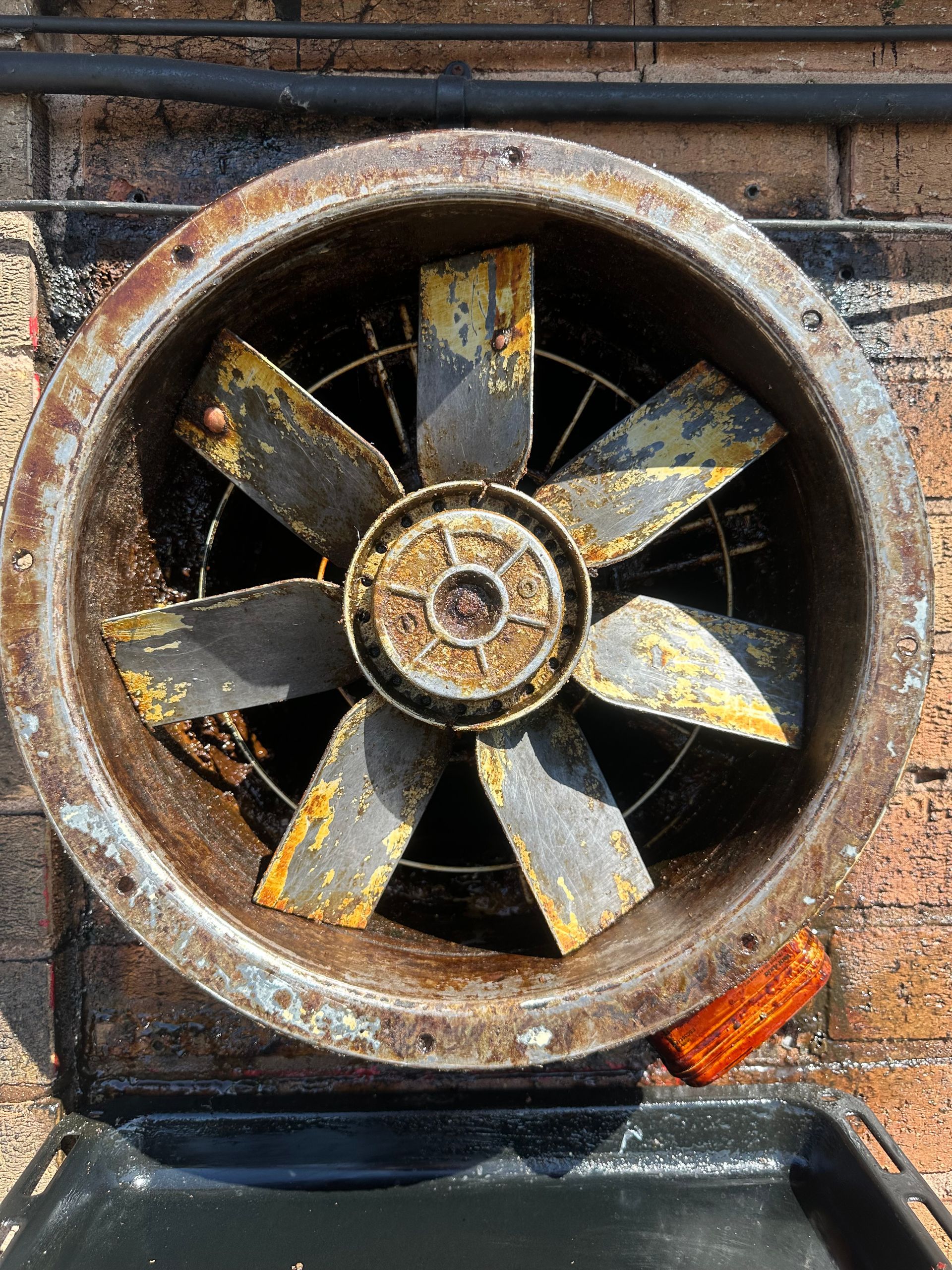 After
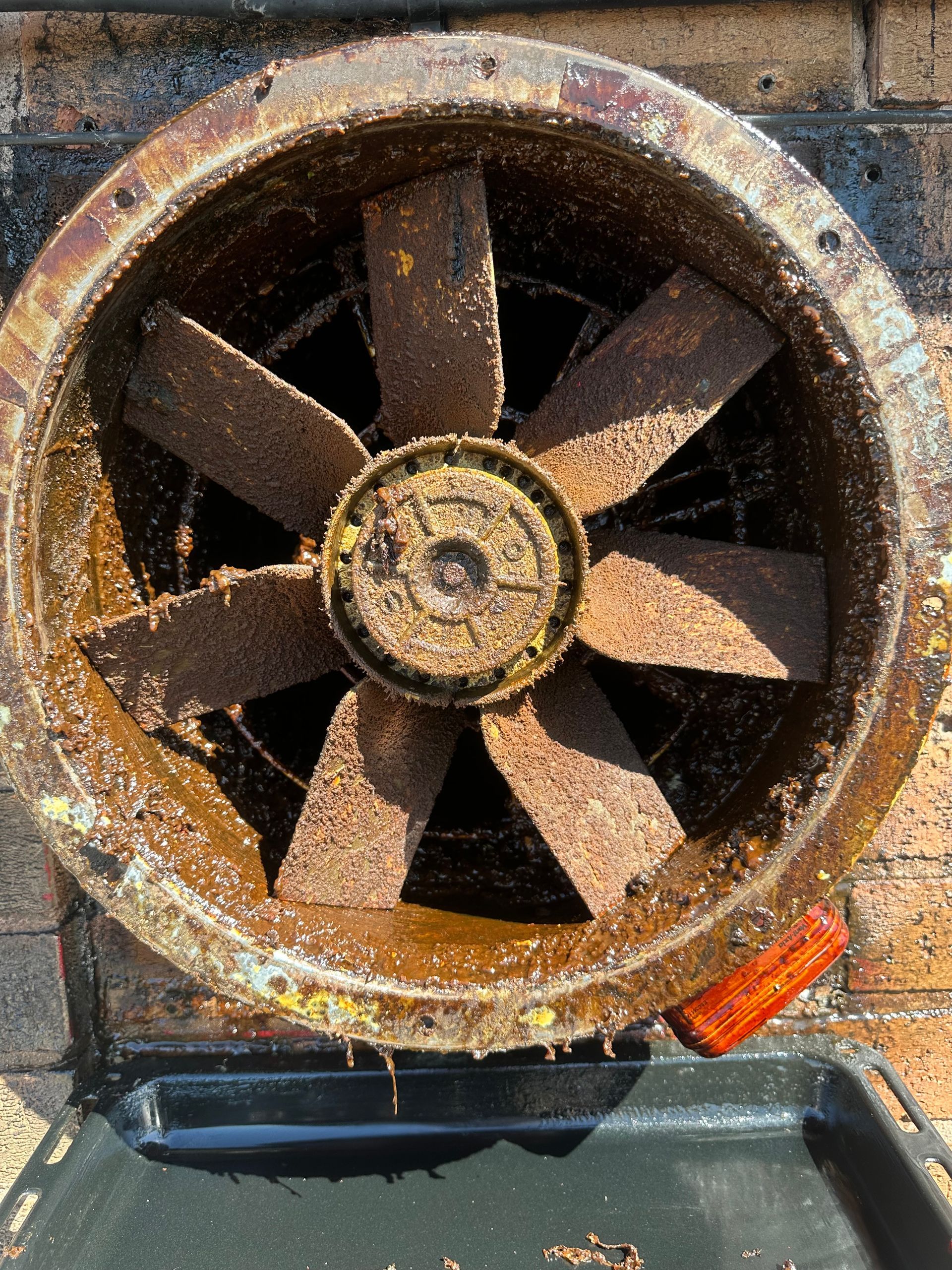 Before
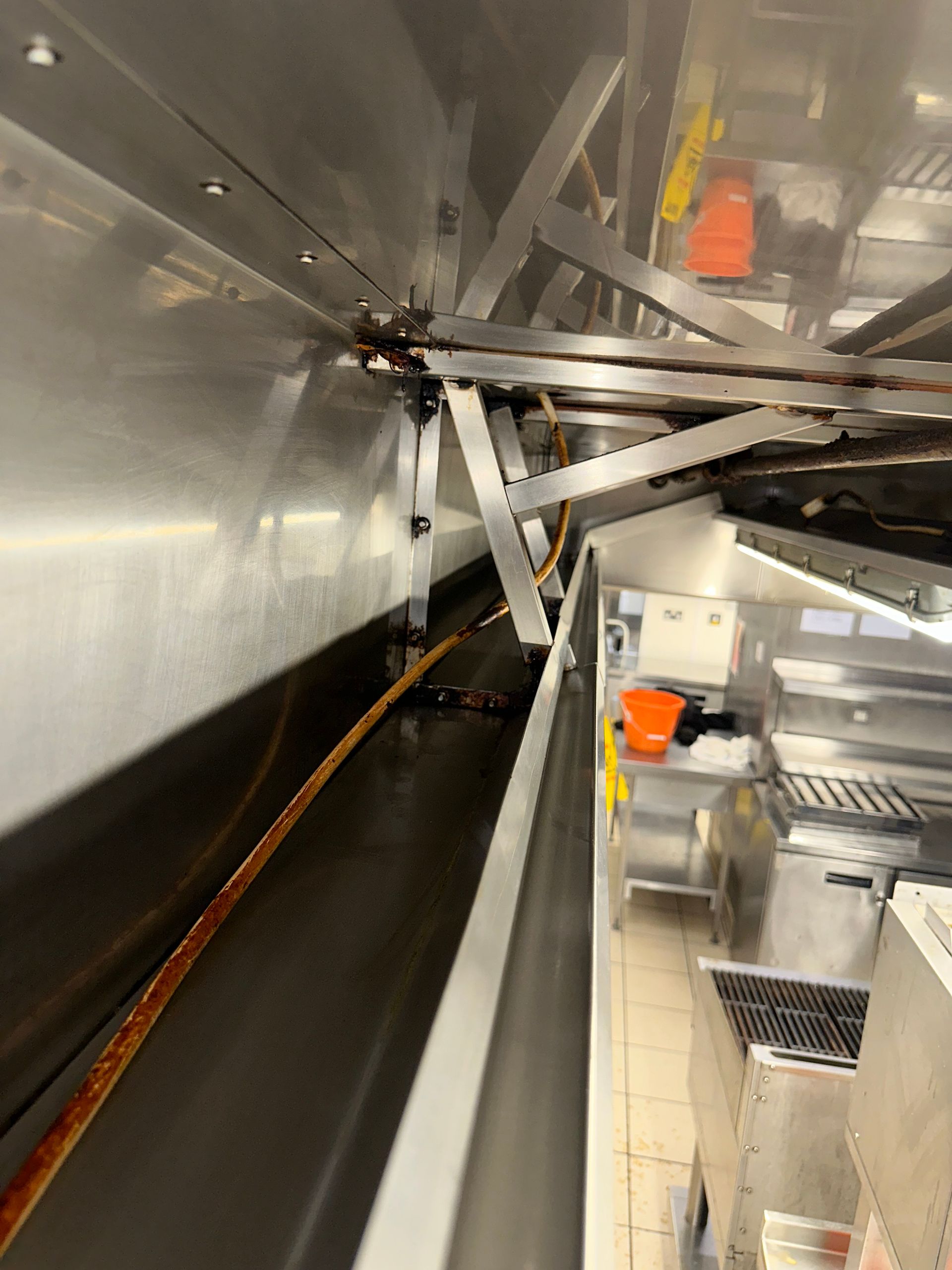 After
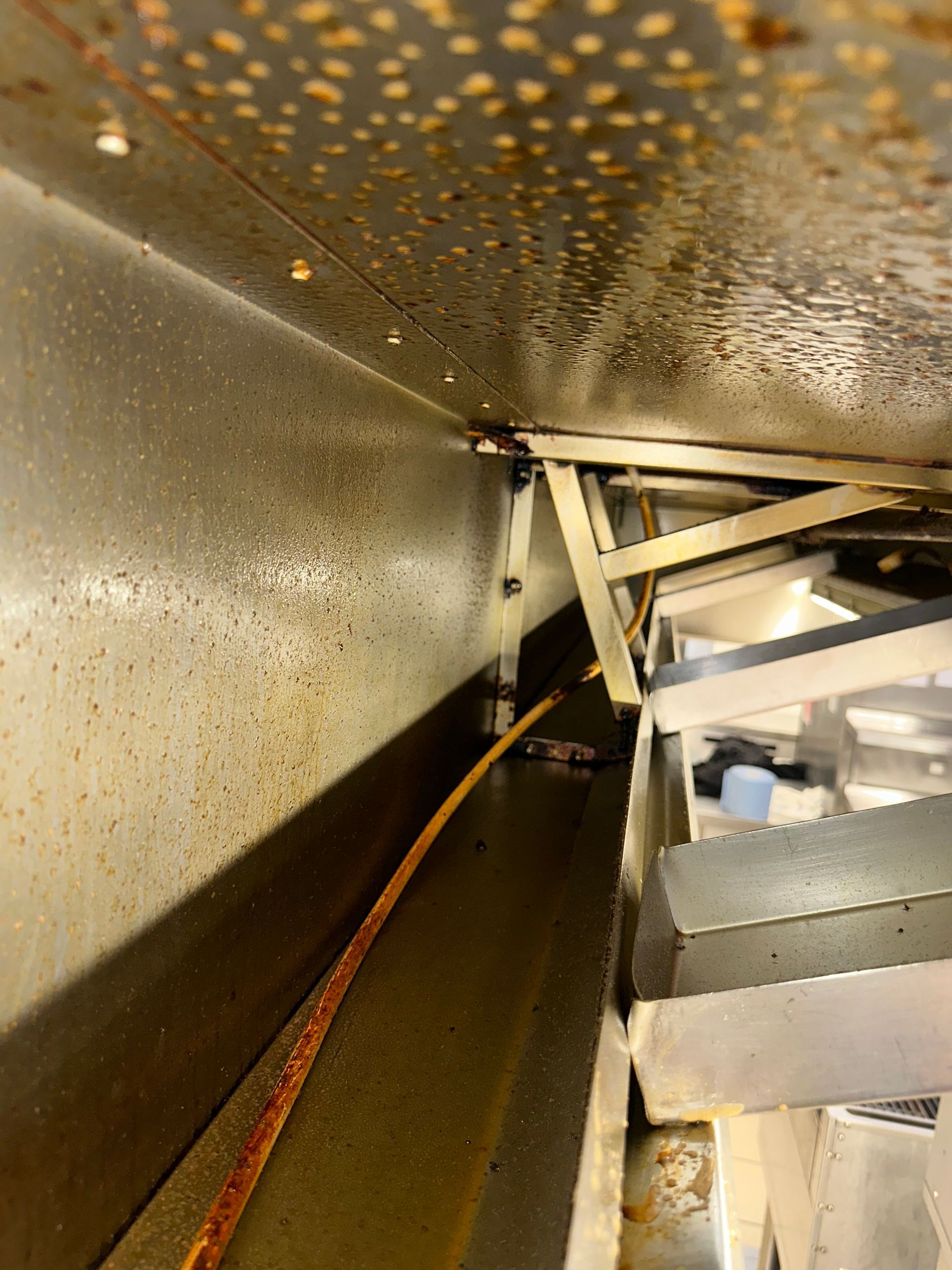 Before
Commercial Kitchen Ductwork Cleaning
A Clean Canopy Does Not Always Mean the Ductwork Is Clean
The canopy is the easiest part of the system to see, so it is often the part people focus on first.
But grease-laden air travels beyond it.
Deposits can build up inside ductwork and around other components further along the extraction system. That is why a proper review needs to consider more than the areas visible from the kitchen floor.
Fire services warn that grease build-up in commercial kitchen ducting can increase fire risk, and fire-safety guidance highlights the importance of suitable access for cleaning.
Depending on the system, the cleaning scope may include:
- Canopy interiors and exteriors
- Filters and mesh filters
- Plenum areas
- Internal ductwork
- Drip trays
- Extraction fans
- External fan components
The exact scope depends on the layout and condition of the system, so this is where previous reports and a proper site inspection become useful.
Commercial Kitchen Extraction Cleaning Frequency
Check Whether Changes in Hours, Menu or Cooking Volume Mean Your Current Schedule Still Makes Sense
Cleaning frequency should not be treated as a fixed date in the diary forever.
Kitchens change.
Opening hours increase. Menus shift. More frying or chargrilling is introduced. A once-quiet service period becomes busier.
Those changes can affect how quickly grease builds up inside the extraction system.
London Fire Brigade guidance notes that cleaning frequency should reflect grease deposits, hours of use and the type of cooking taking place.
Before an inspection, it is worth asking:
- Has the kitchen become busier?
- Have operating hours increased?
- Has the menu changed?
- Is there more frying or chargrilling?
- Have previous reports recommended a different cleaning interval?
- Is visible grease building up sooner than it used to?
If the way the kitchen operates has changed, the cleaning schedule may need to change with it.
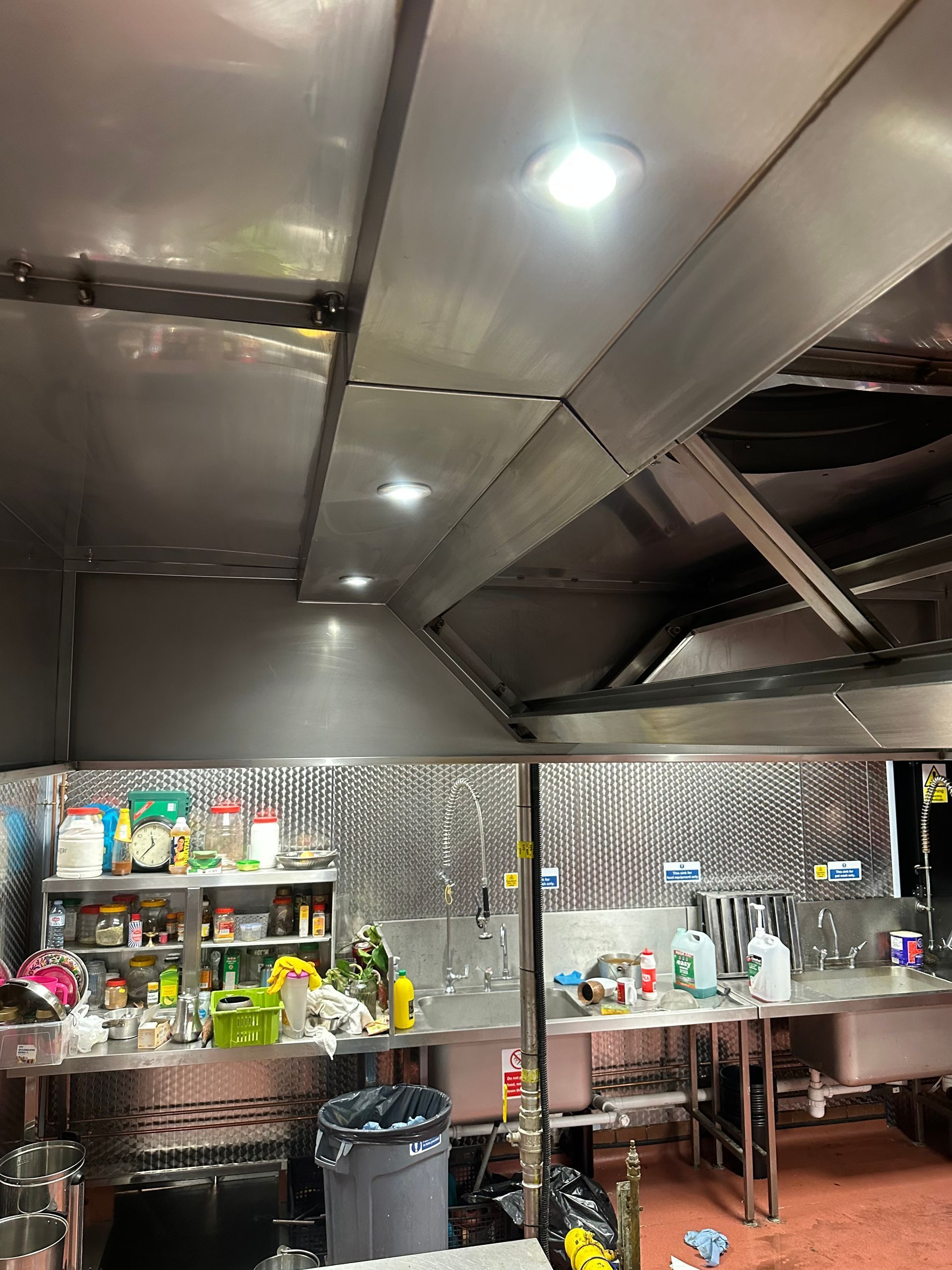 After
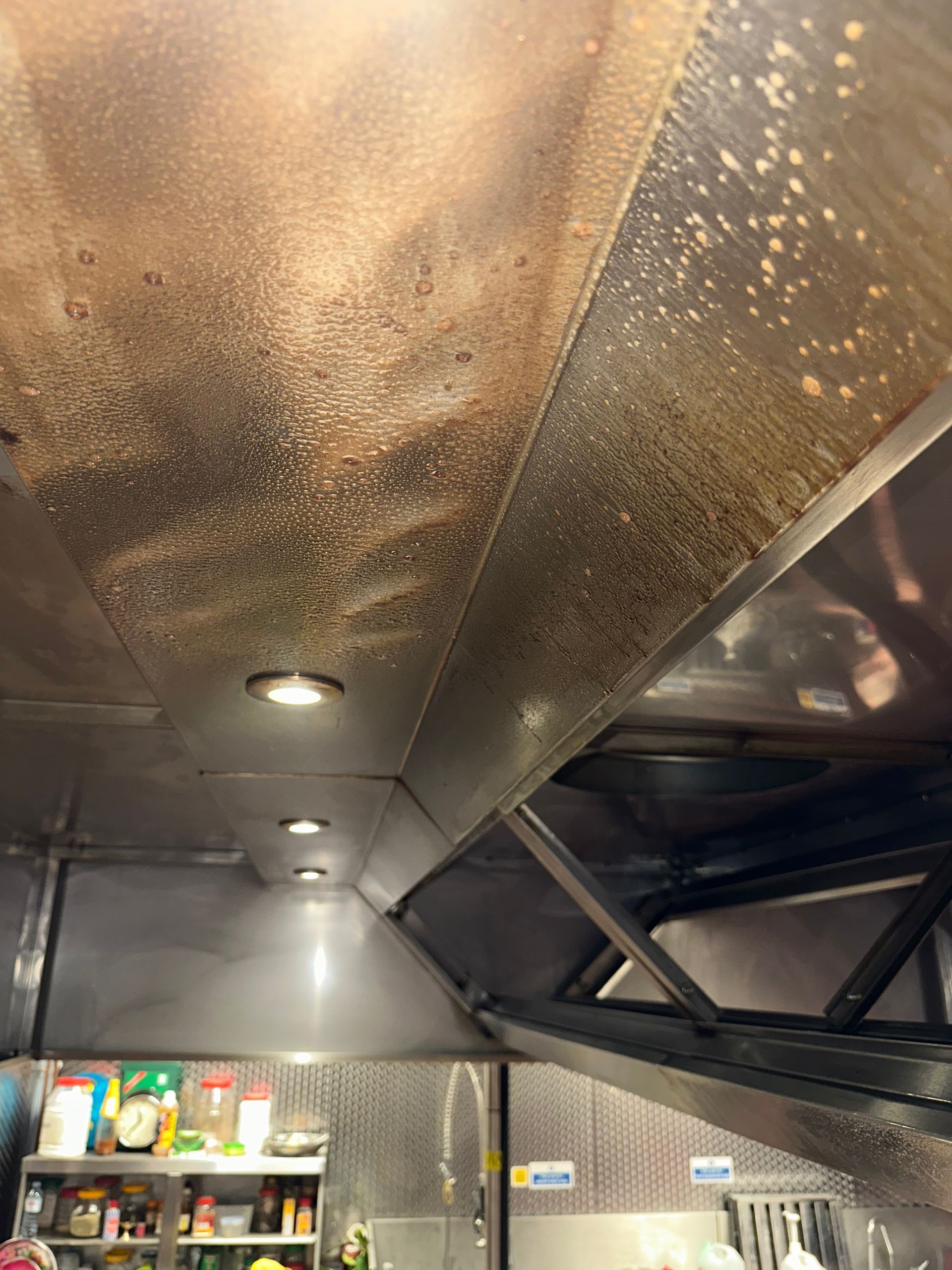 Before
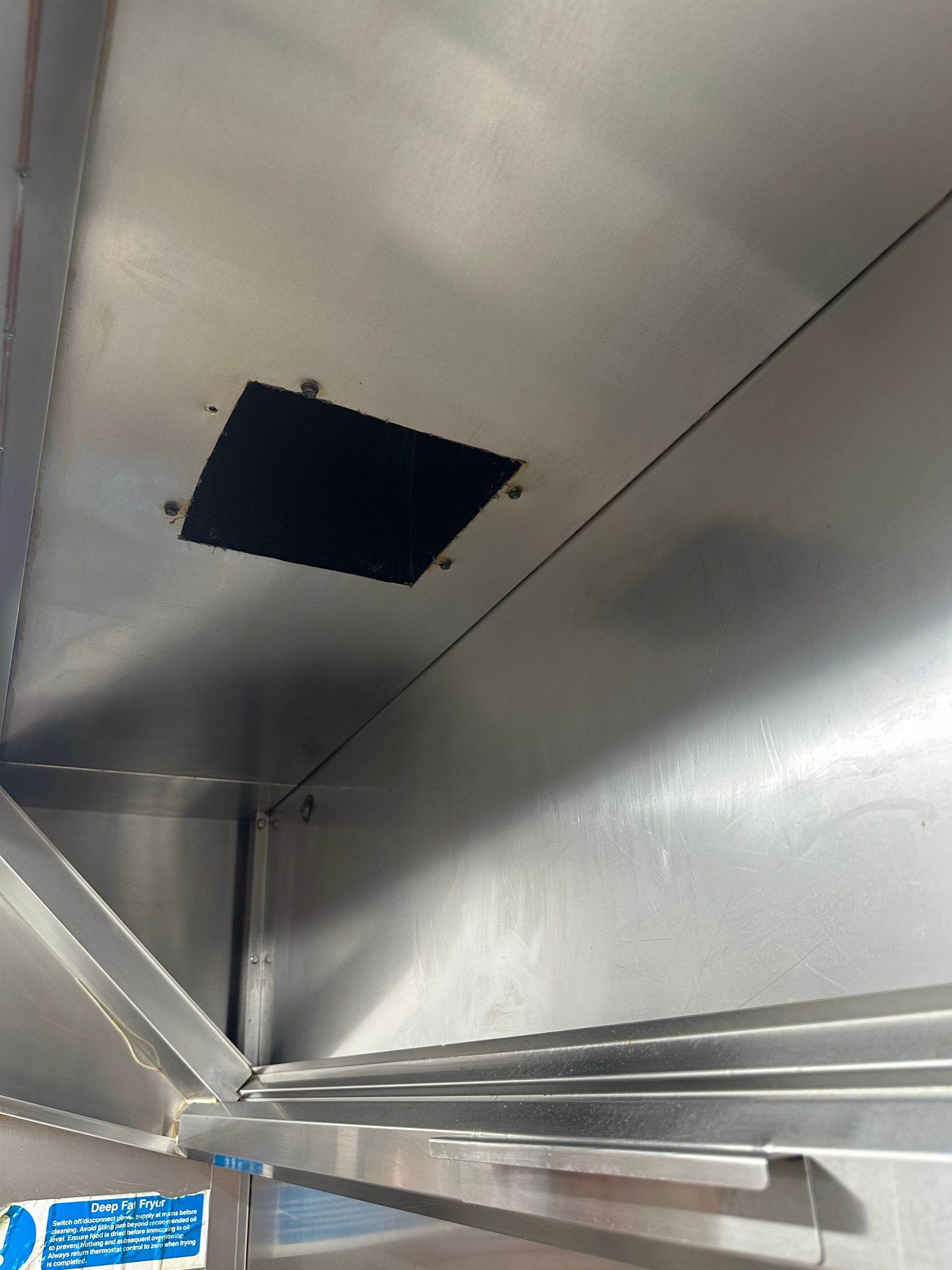 After
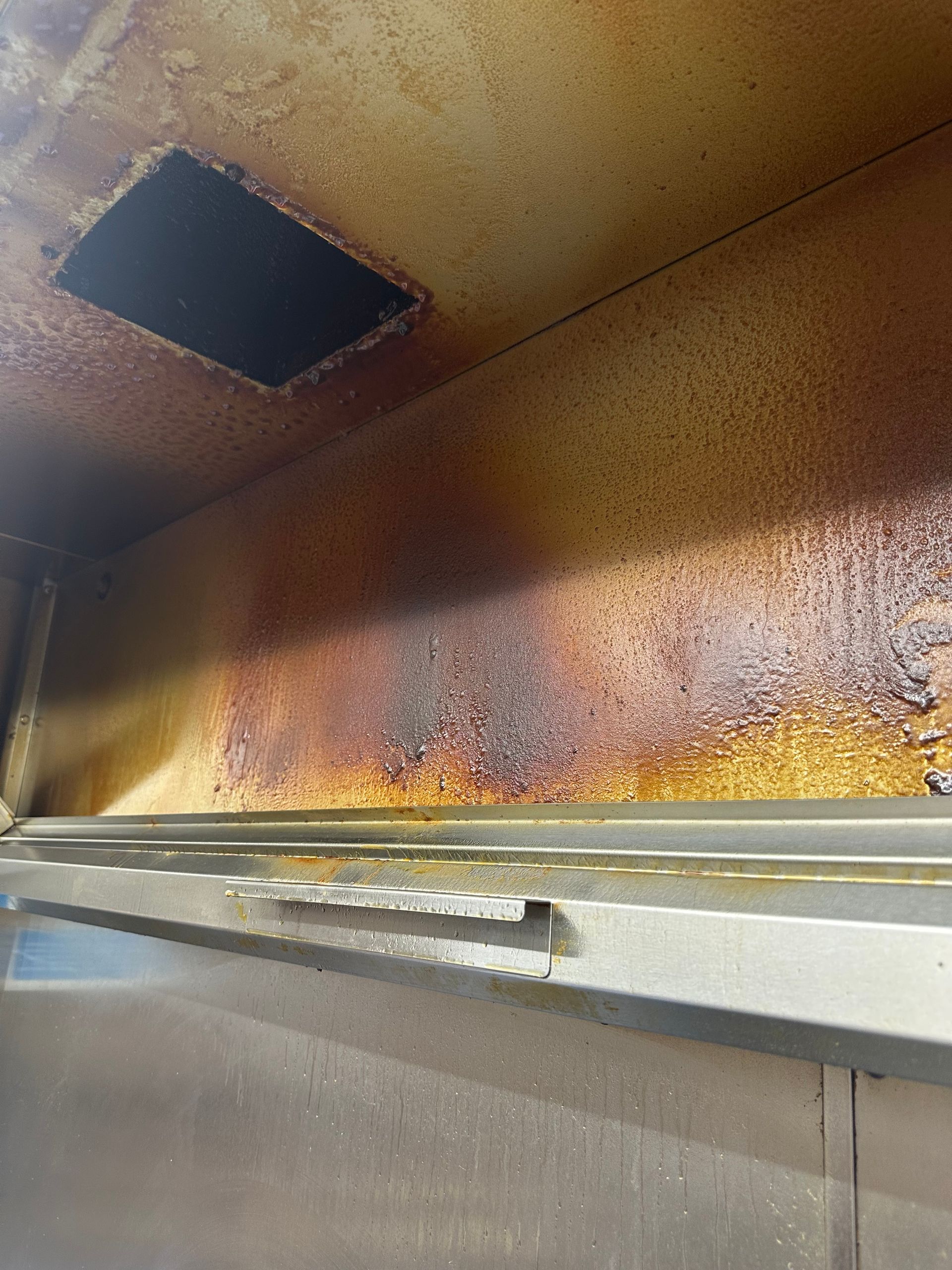 Before
Kitchen Extraction Ductwork Access
Identify Restricted or Inaccessible Areas Before They Limit How Thoroughly the System Can Be Cleaned
Some extraction systems are simple to access. Others are not.
Long duct runs, changes in direction, ceiling voids and concealed sections can all make cleaning more difficult.
Fire-safety and commercial kitchen ventilation guidance highlights the need for suitable access to internal duct surfaces for cleaning and inspection.
If a previous report highlights restricted access, it is worth resolving before the next clean.
If parts of the system cannot be reached properly, the same limitation may affect the scope of future cleaning too.
Signs Commercial Kitchen Extraction Cleaning May Be Needed
Spot Grease Build-Up, Falling Extraction Performance and Unresolved Issues Before They Become an Inspection Problem
The condition of the kitchen can also highlight when the extraction system needs attention.
Look for:
- Visible grease around the canopy or filters
- Deposits returning faster than expected
- Grease around accessible ductwork
- Reduced extraction performance
- Previous recommendations that have not yet been addressed
None of those signs tells you exactly how much work is needed.
They do, however, give you a reason to have the system assessed rather than waiting for an inspection to raise the issue for you.
London Fire Brigade has documented commercial kitchen fires where grease within extraction ductwork was believed to have ignited.
 After
 Before
 After
 Before
Choosing an Extraction Cleaning Contractor
Compare Cleaning Scope, Access, Evidence and Reporting Before You Choose on Price Alone
If cleaning is needed before an inspection, availability and price are only part of the decision.
You should ask:
- Which parts of the extraction system will be cleaned?
- How will internal ductwork be accessed?
- Will inaccessible areas be identified?
- What documentation will be provided afterwards?
- Will you receive before-and-after evidence?
- How will the cleaning frequency be reviewed?
- Can the work be planned around operating hours?
- What happens if additional grease build-up is found?
These questions help you compare quotations properly.
A cheaper quote may simply cover less of the system.
Preparing the Kitchen for Extraction Cleaning
Plan Access, Downtime and Staff Availability So the Clean Fits Around Normal Kitchen Operations
If work needs to be booked, think about access and downtime early.
Confirm when the kitchen can be made available, which areas the contractor will need to reach and whether any equipment needs to be moved or protected.
It is also worth checking who will be on site and when the kitchen needs to return to normal operation.
For restaurants, pubs, hotels, care homes and other busy kitchens, that planning can make the difference between a straightforward visit and unnecessary disruption.
 After
 Before
 After
 Before
Commercial Kitchen Extraction Cleaning in the Midlands
40+ Years of Experience, Full-System Cleaning and Clear Reporting for Commercial Kitchen Operators
If you are unsure when your extraction system was last fully cleaned, what the previous service covered or whether your current schedule still suits the way the kitchen operates, a site inspection gives you a clearer view of what has been cleaned, what can be accessed and what still needs attention.
At Ductability, we have more than 40 years’ experience working with commercial kitchen extraction systems across the Midlands.
We can inspect the system, review access and cleaning requirements, and provide a clear quotation based on the kitchen and extraction system in front of us.
Our extraction cleaning services can include the canopy, filters, ductwork, drip trays and extraction fans, with reporting and certification provided following the work.
Get Your Extraction System Ready for Inspection
Arrange a Free Site Inspection to Check the Cleaning Scope, Access and Any Work That May Be Needed
If you have an inspection approaching, or you simply want to review your current extraction cleaning arrangements,
contact us to arrange a free site inspection and quote.