
TR19 Cleaning for Commercial Kitchens: What It Covers, Why It Matters & What to Expect
What to Check Before Booking TR19 Cleaning for Your Commercial Kitchen
If you are responsible for a commercial kitchen, you may already have come across the term TR19 cleaning.
It often comes up in conversations about extraction maintenance, fire safety, inspections and insurance, but the terminology can make the process sound more complicated than it needs to be.
TR19 Grease is an industry specification produced by BESA for managing fire risk from grease accumulation within commercial kitchen extraction systems.
For operators, the question is simple: has the full extraction system actually been inspected, accessed, cleaned and documented properly?
This guide explains what TR19 cleaning covers, how cleaning frequency is assessed, what should happen during the process and what you should expect afterwards.
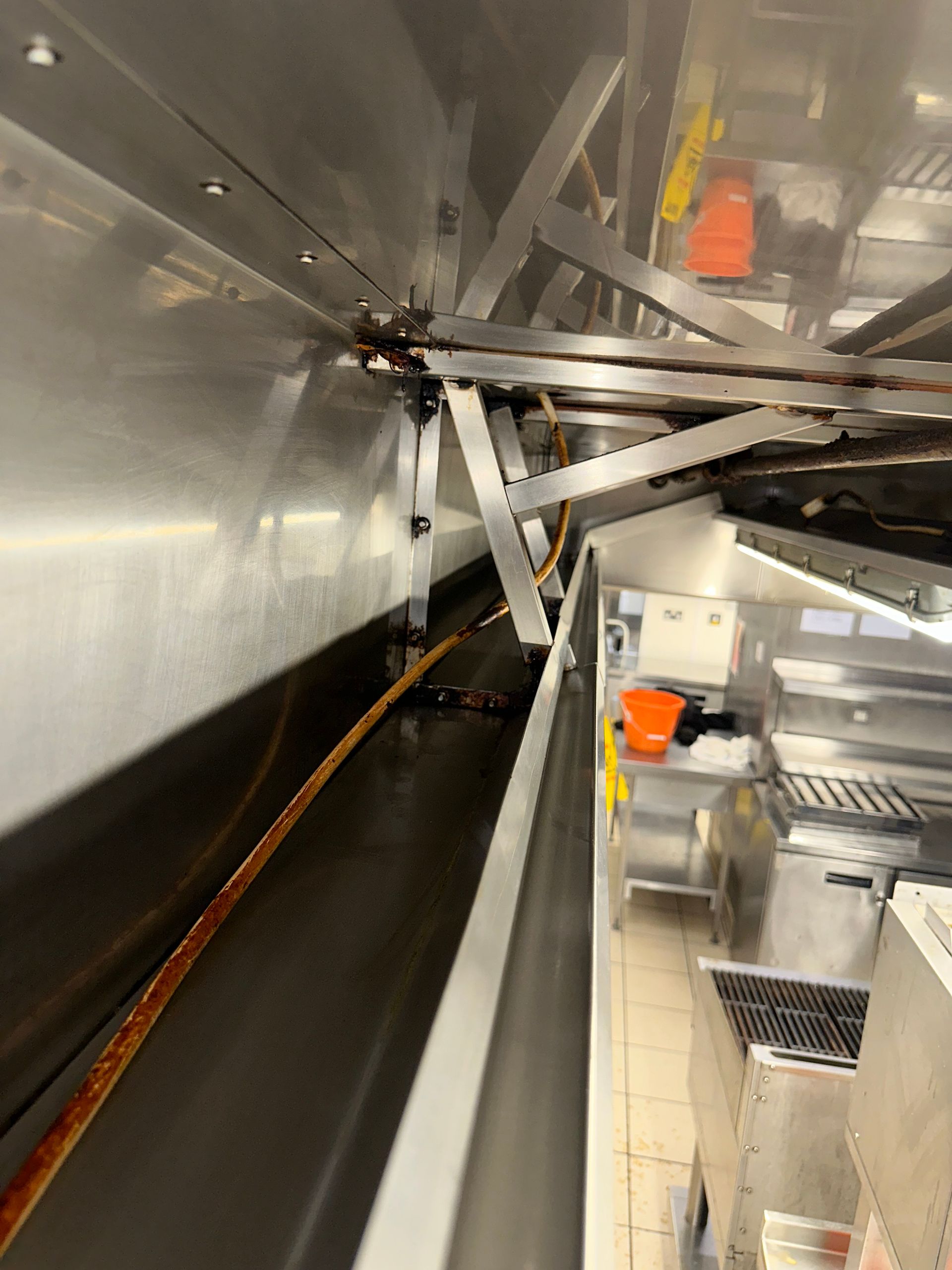 After
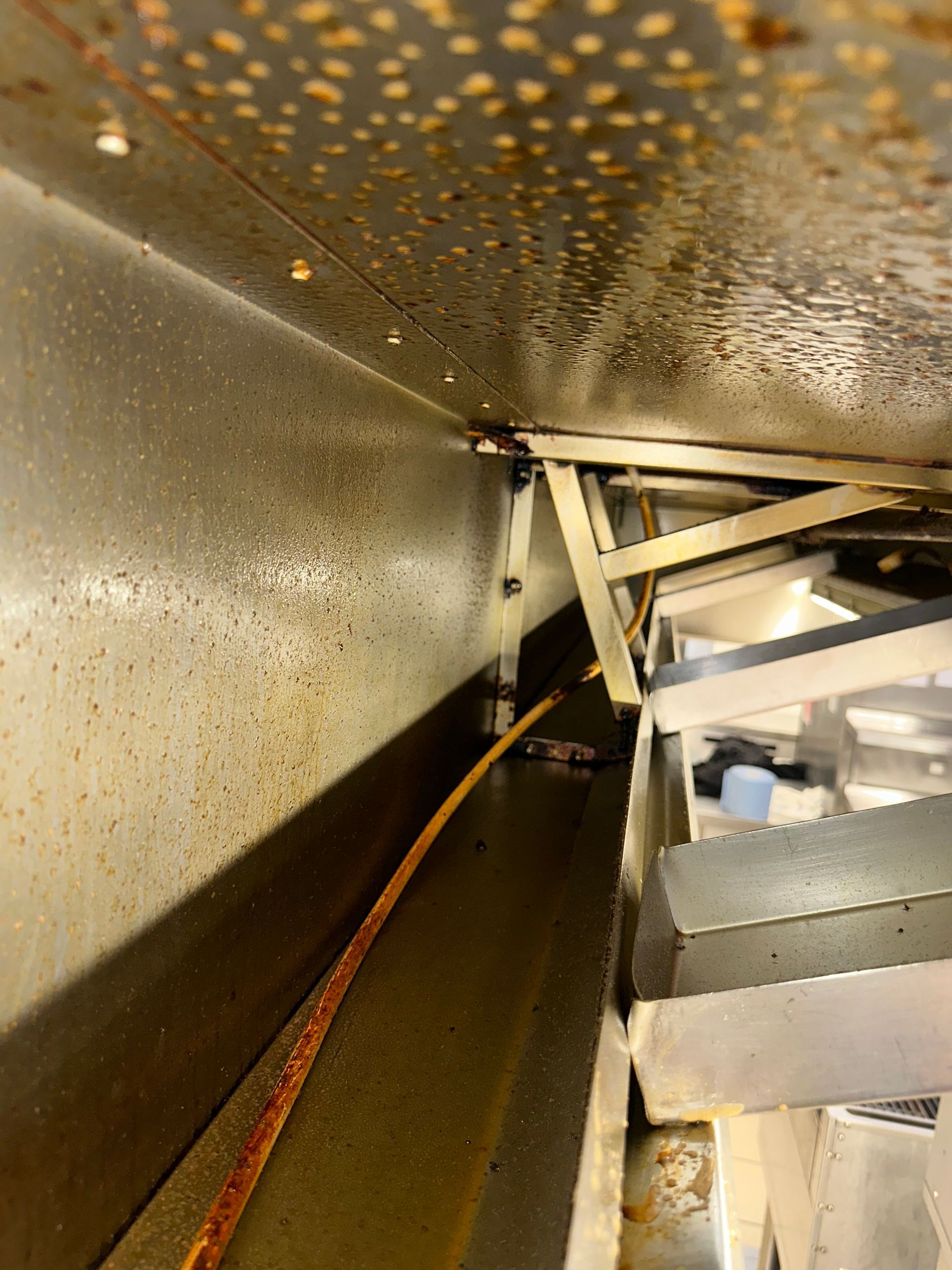 Before
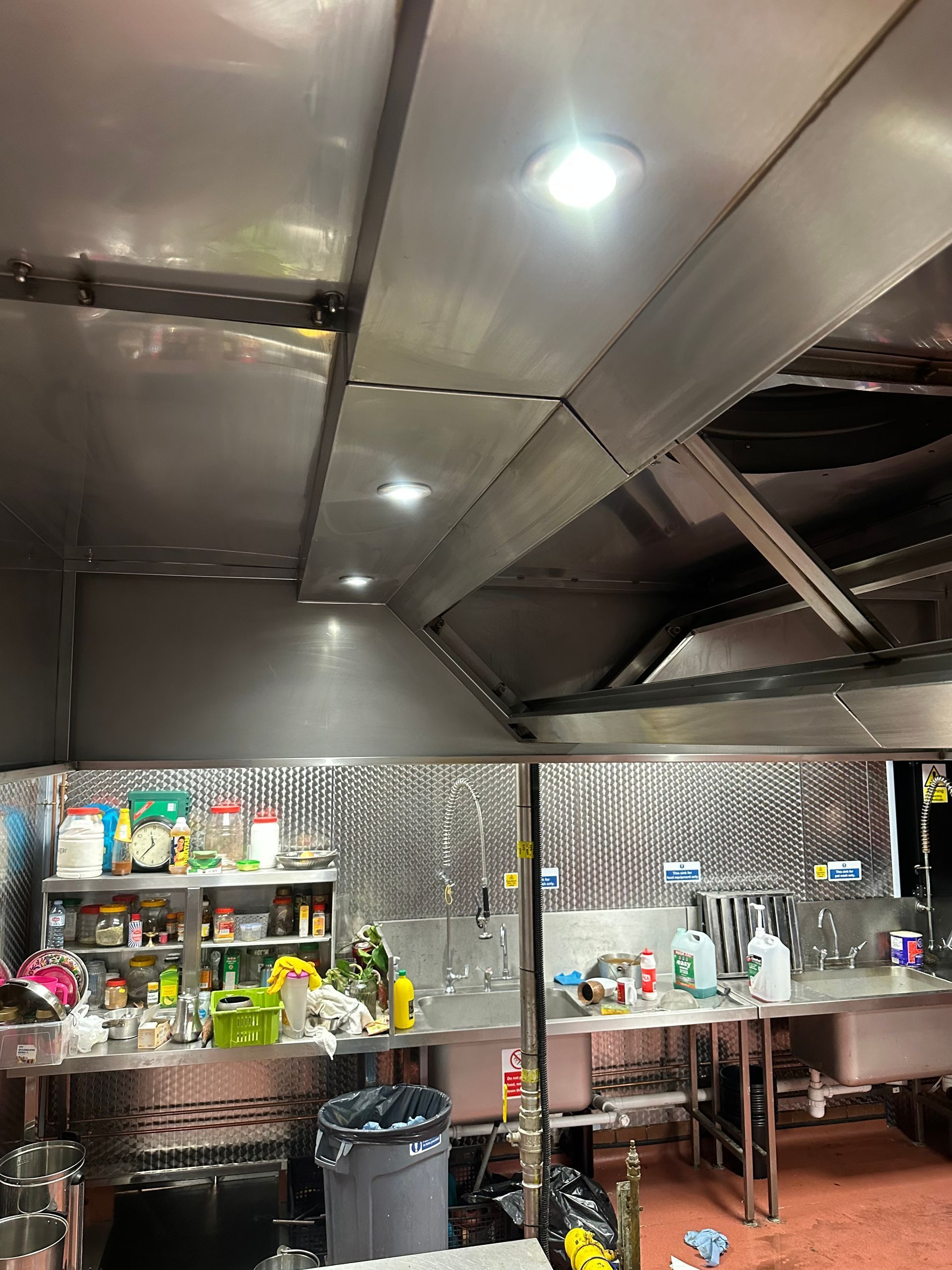 After
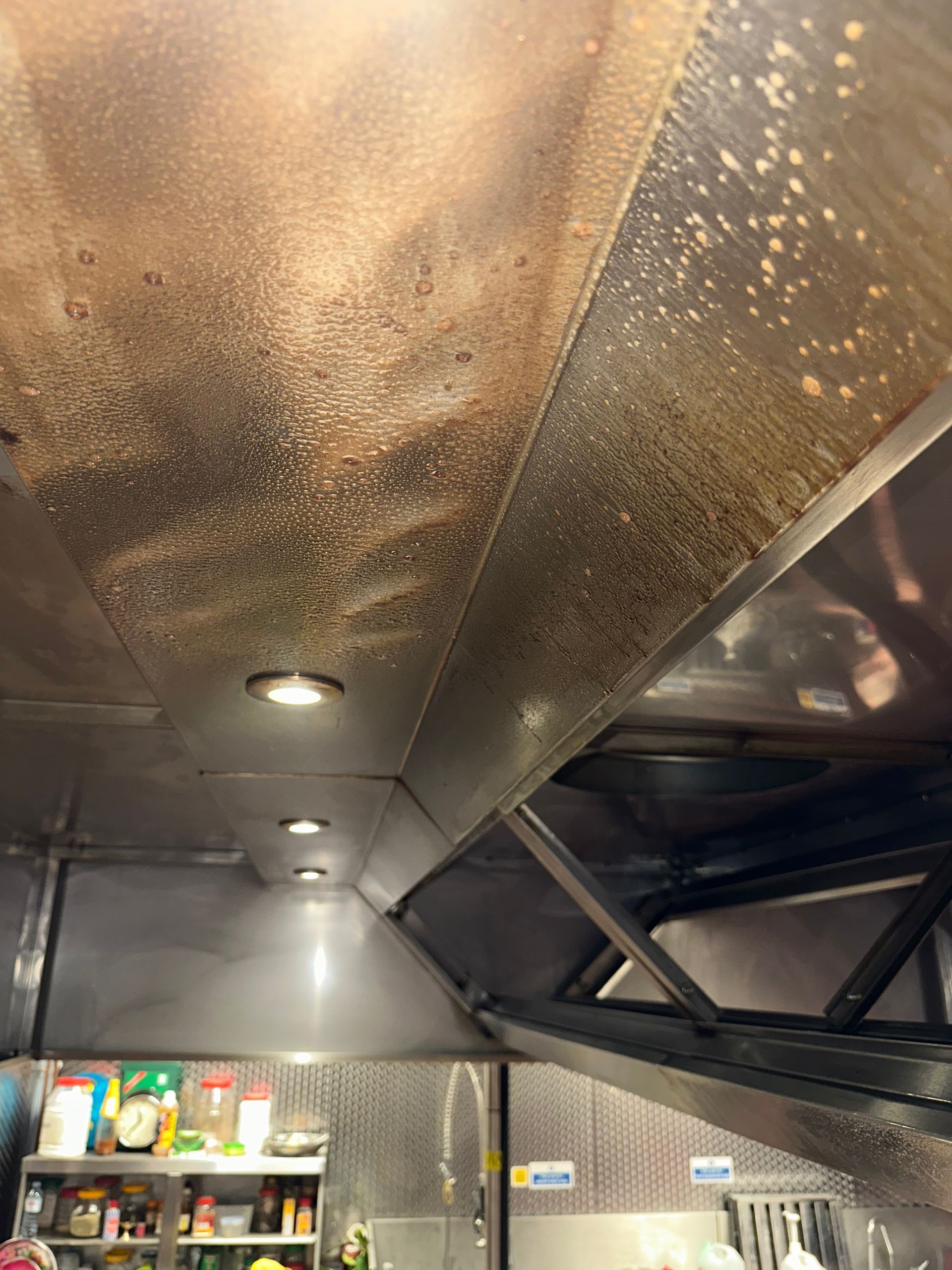 Before
Understand What the Standard Covers Before You Decide What Your Kitchen Needs
TR19 Grease focuses on the inspection, cleaning and ongoing management of grease within commercial kitchen extract systems.
It is not legislation in itself. It provides an industry framework for managing the fire risk created when grease accumulates inside extraction systems.
The clean needs to reflect the condition of the system, how heavily the kitchen is used and whether the contractor can actually reach the areas where grease is building up.
Look Beyond the Visible Canopy to the Wider Extraction System
The canopy is only one part of a commercial kitchen extraction system.
Grease-laden air travels through the canopy and into ductwork, fans and other internal areas.
Because filters cannot remove everything, deposits can build up further inside the system.
Depending on the layout and condition of the system, cleaning may involve:
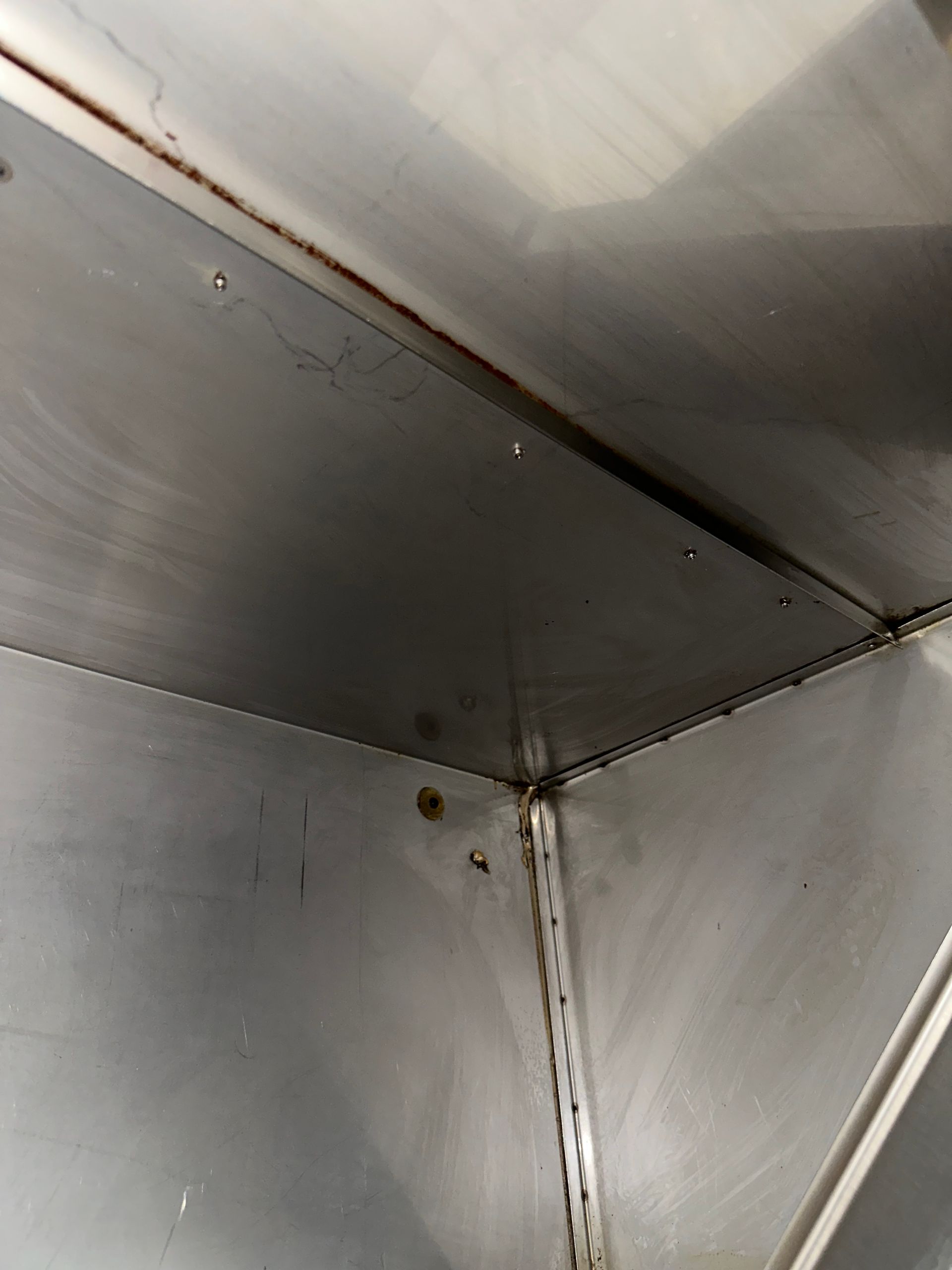
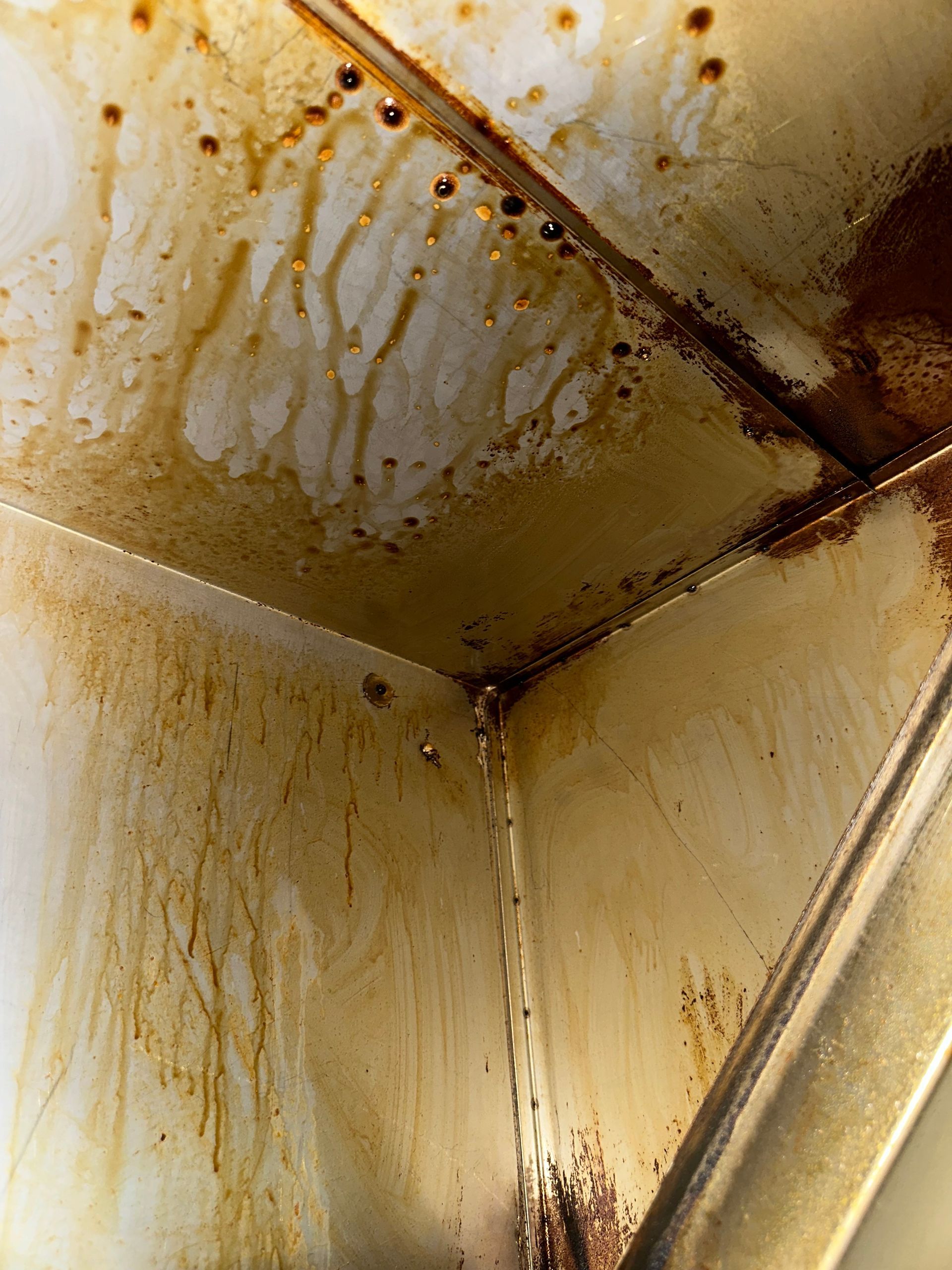
- Canopy interiors and exteriors
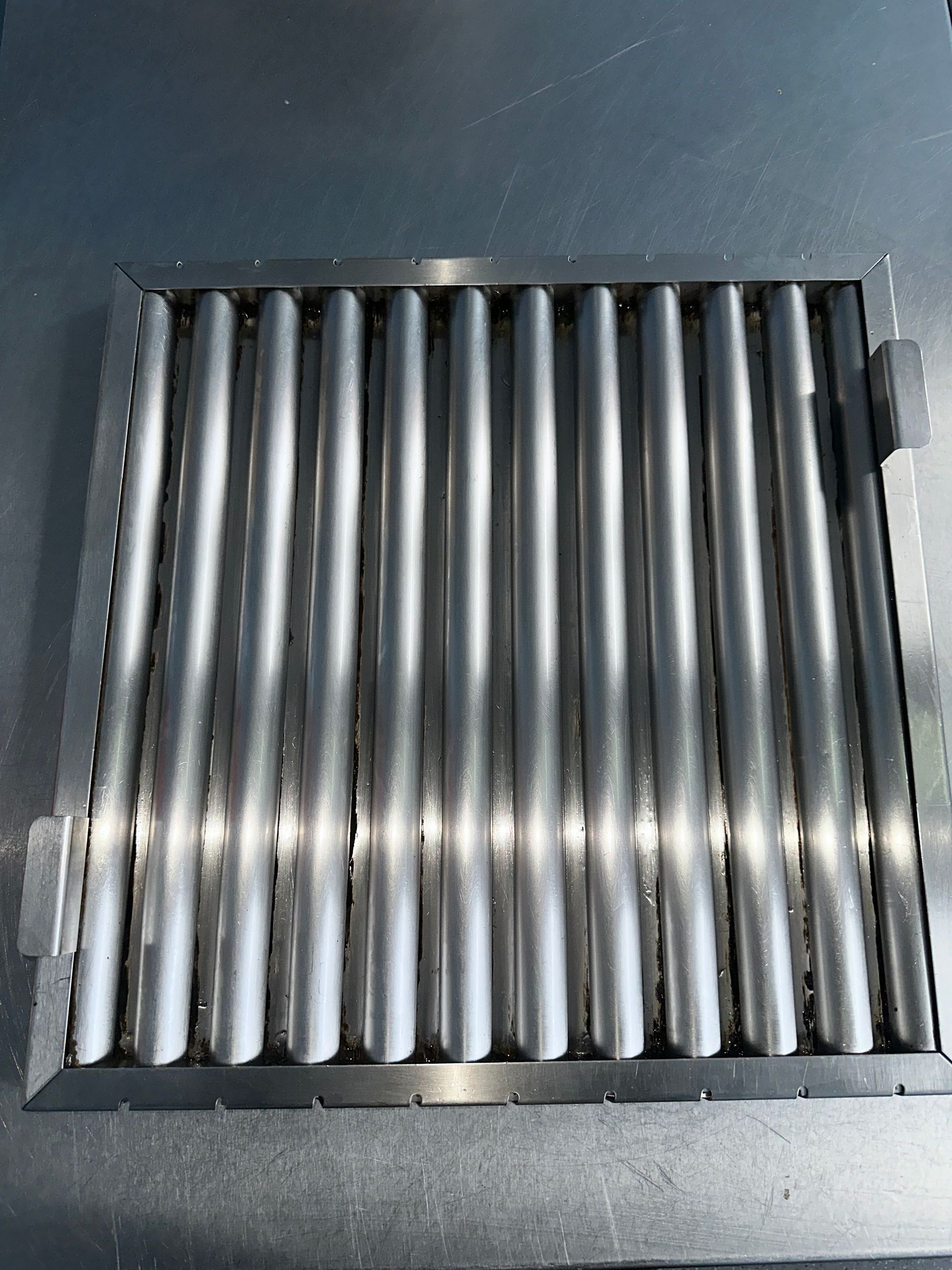
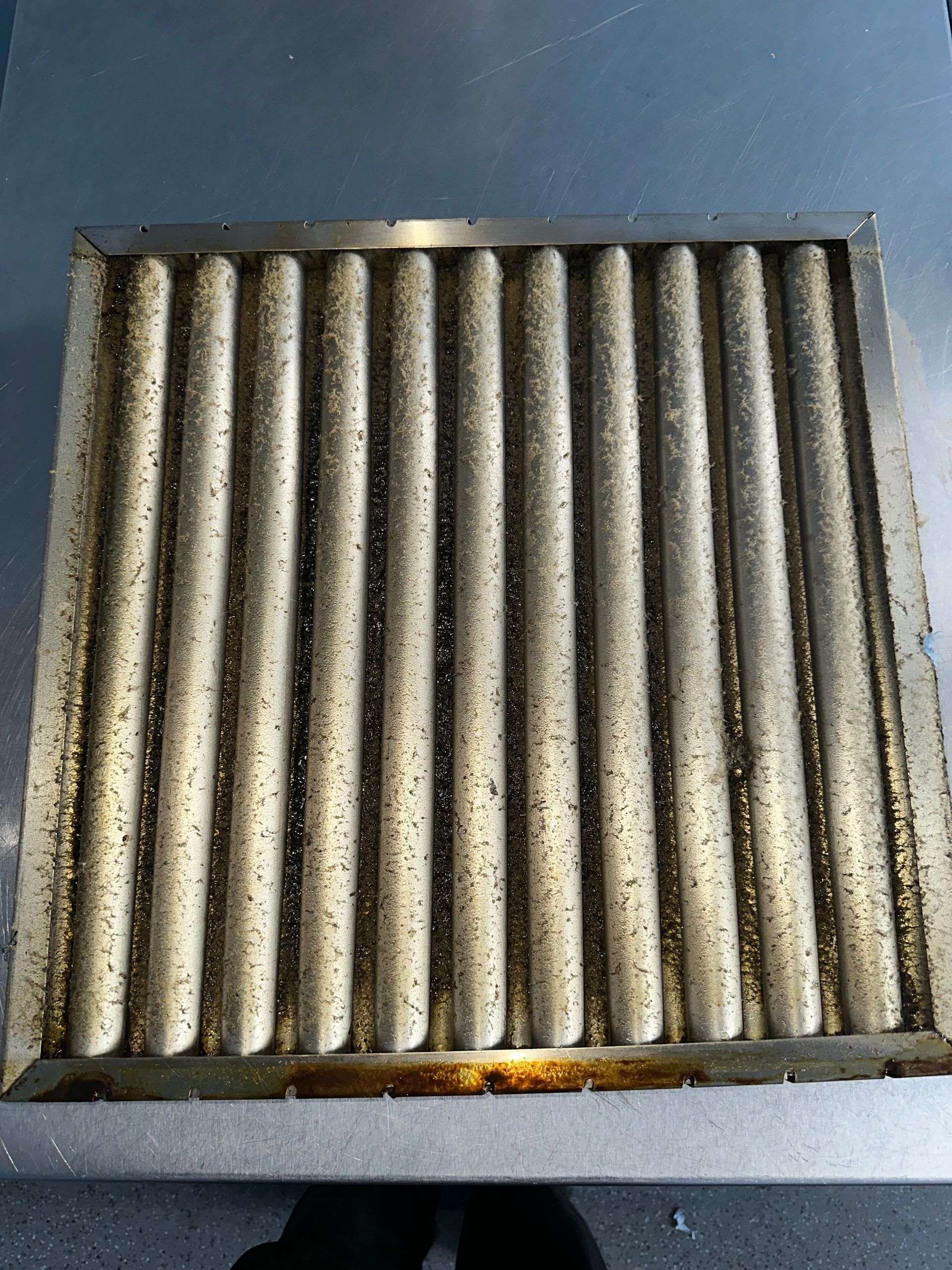
- Filters and mesh filters
- Plenum areas
- Internal ductwork
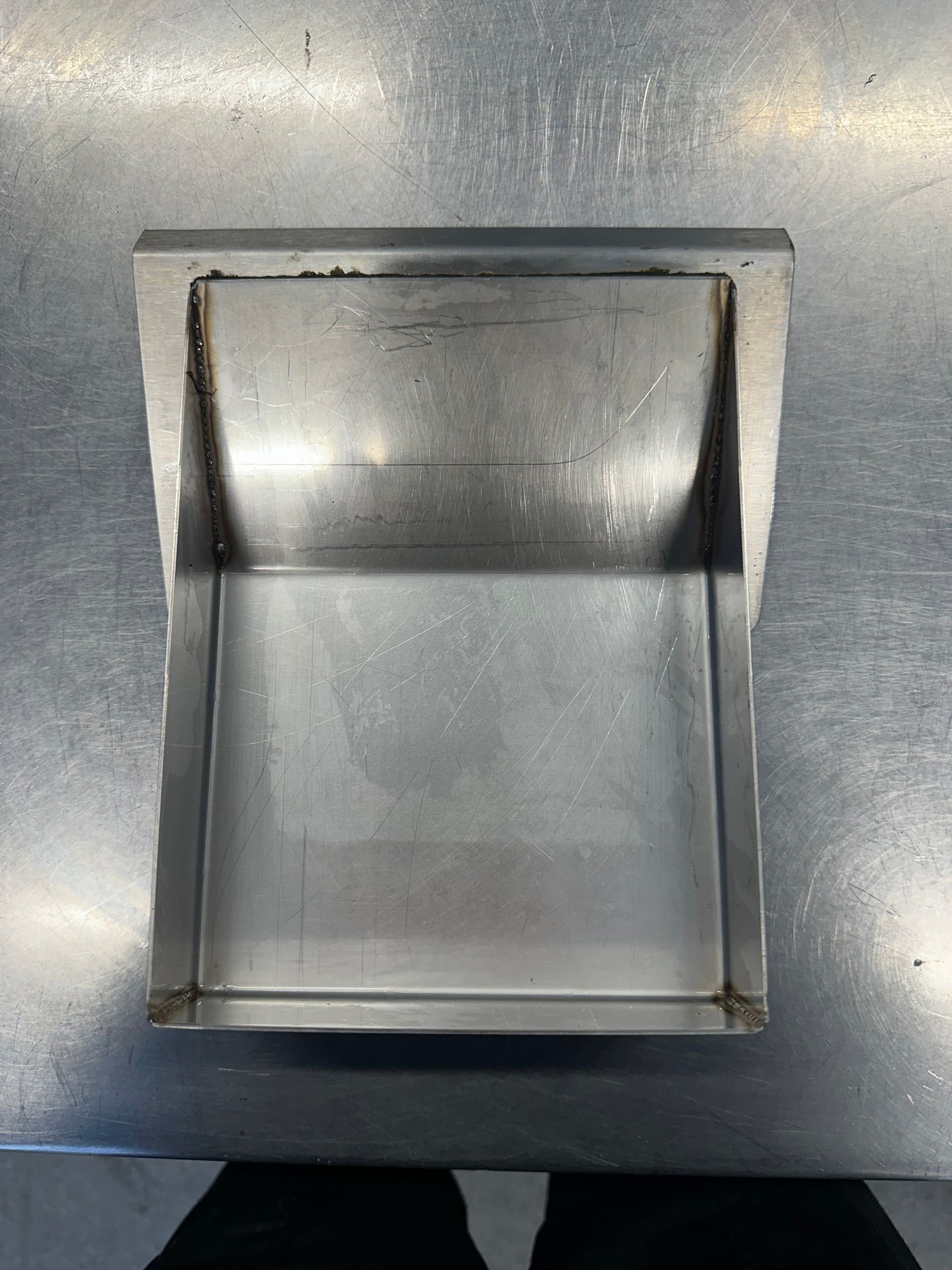
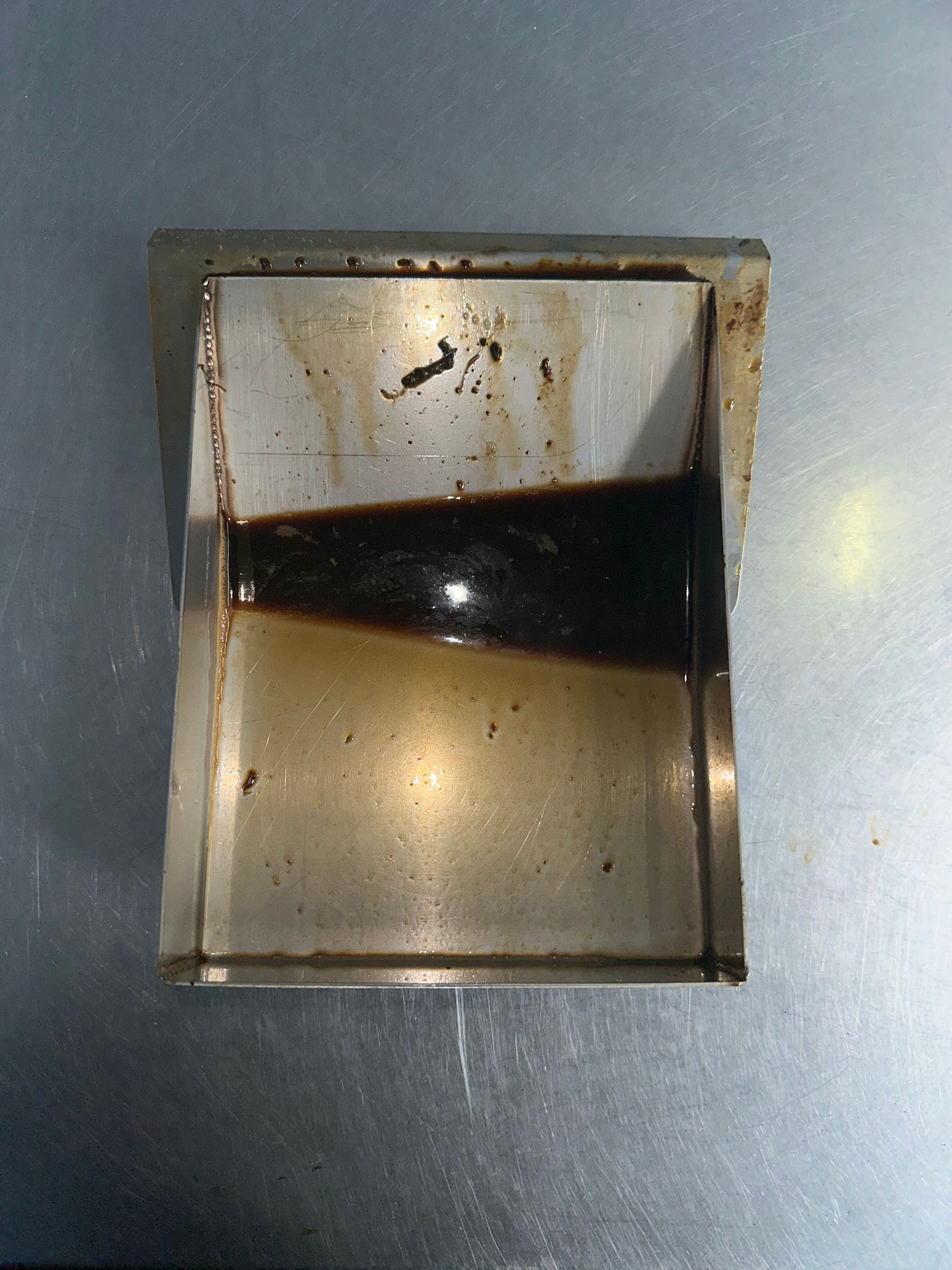
- Drip trays
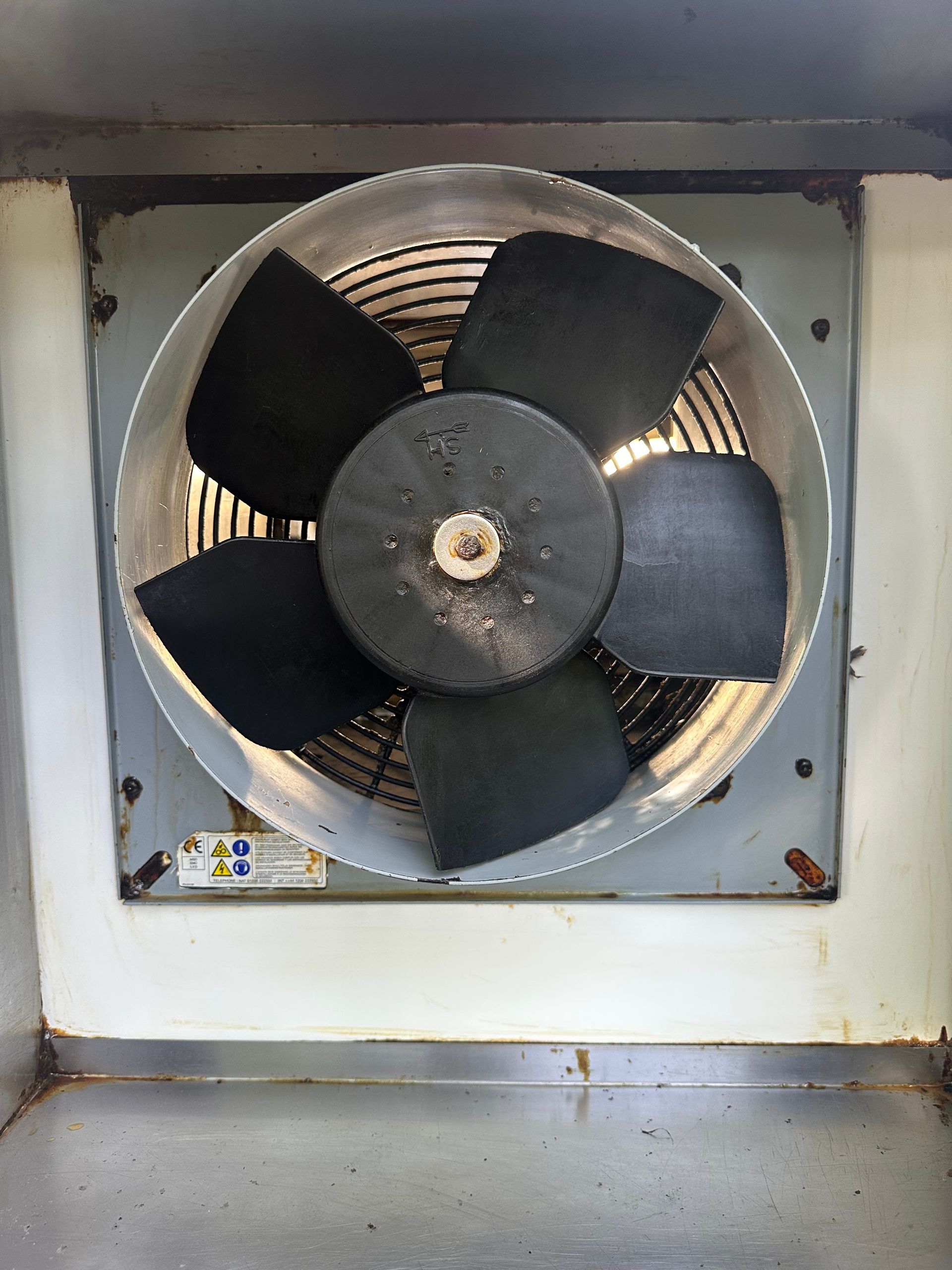
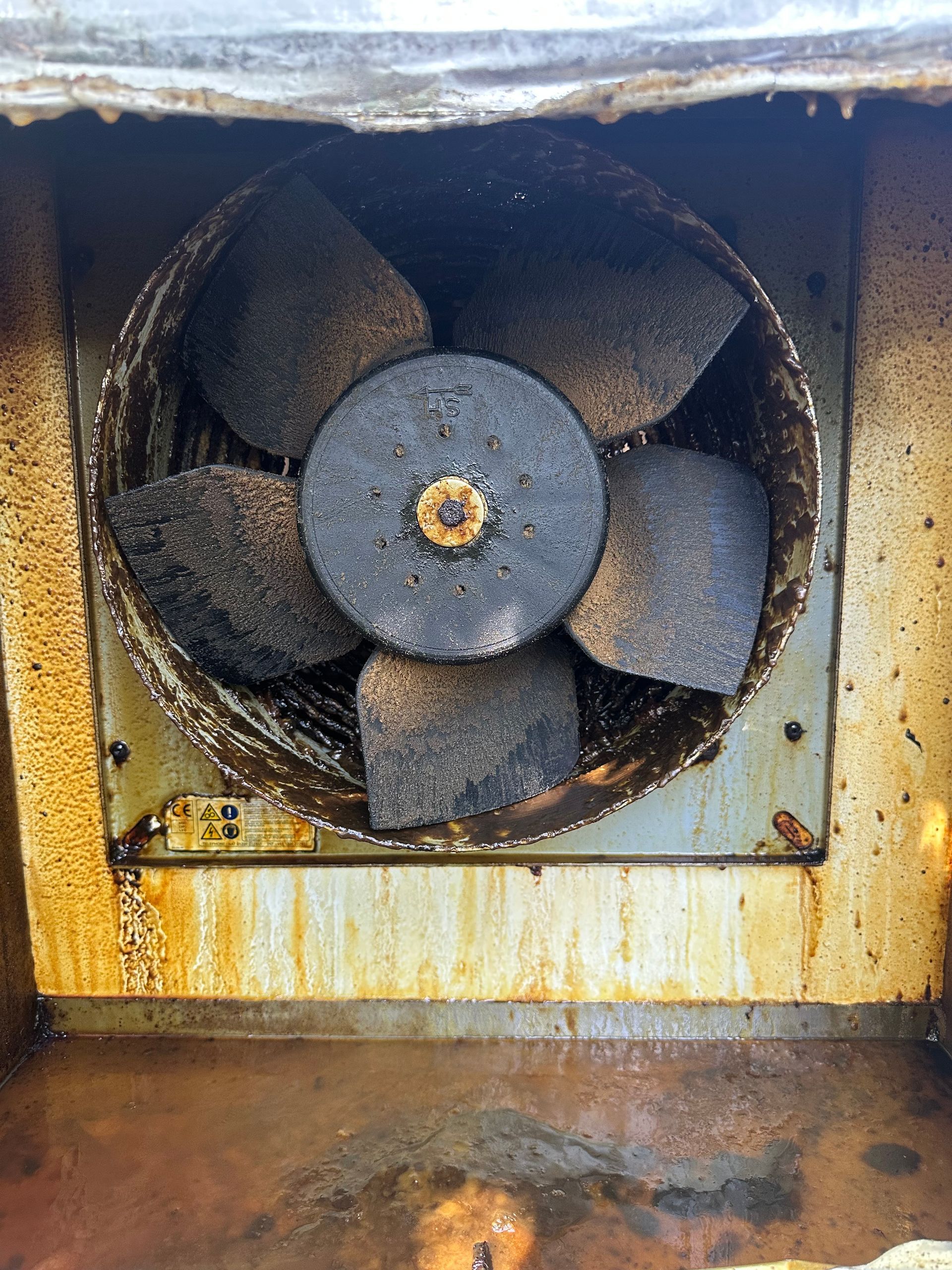
- Extraction fans
- External fan components
- Other accessible internal surfaces
That is why the cleaning scope matters. A clean that only deals with the visible areas may leave grease further through the system untouched.
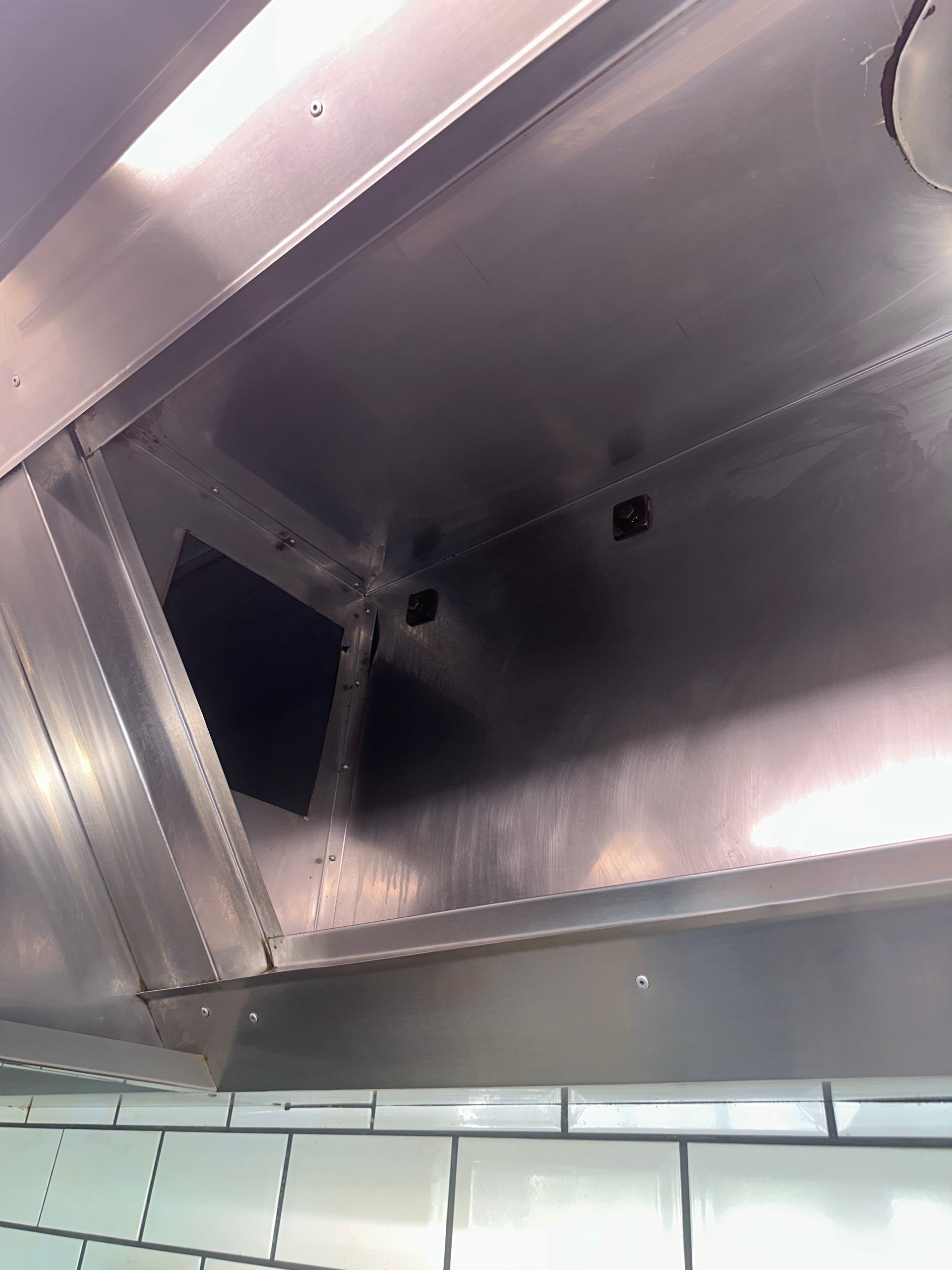 After
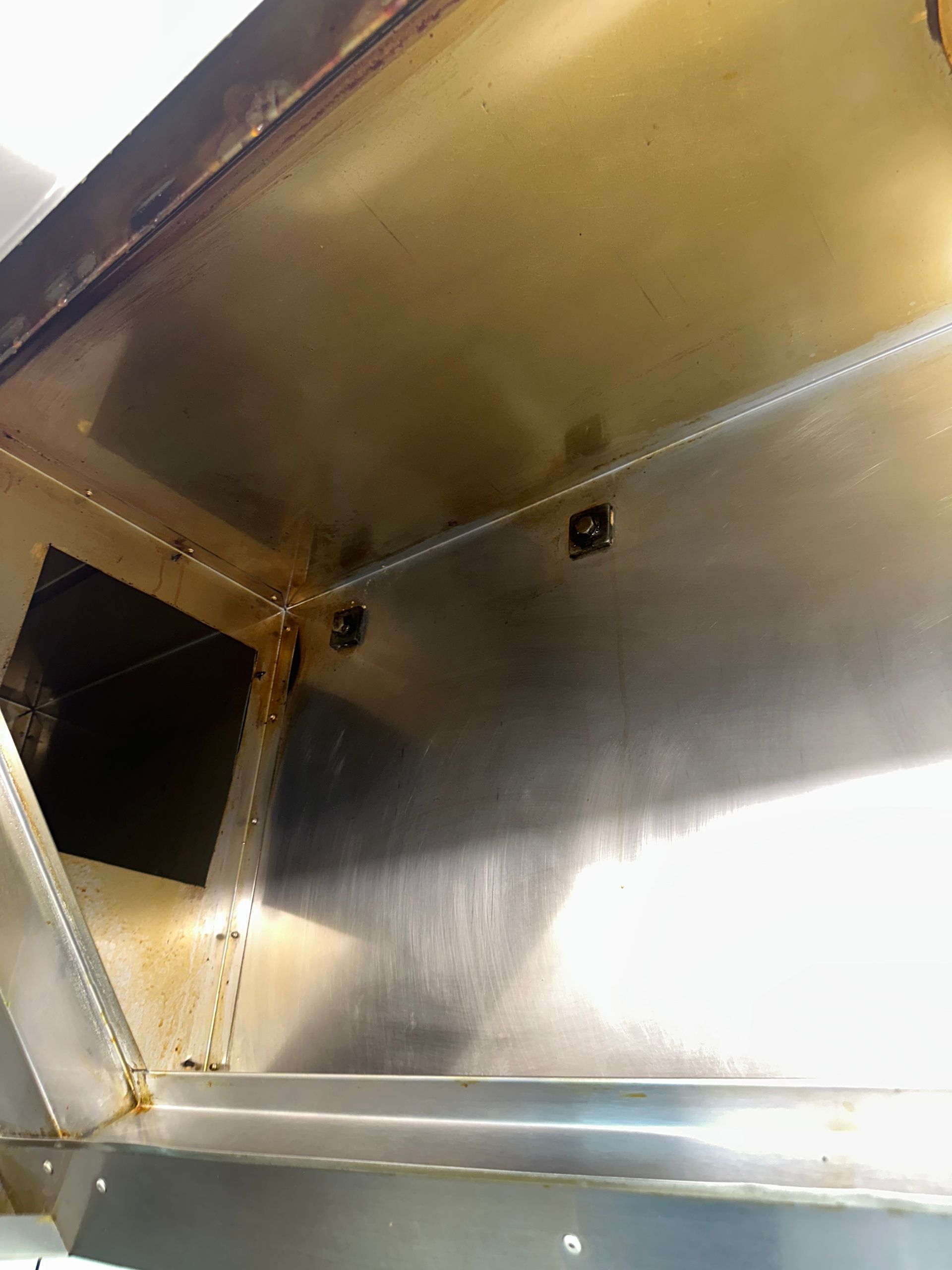 Before
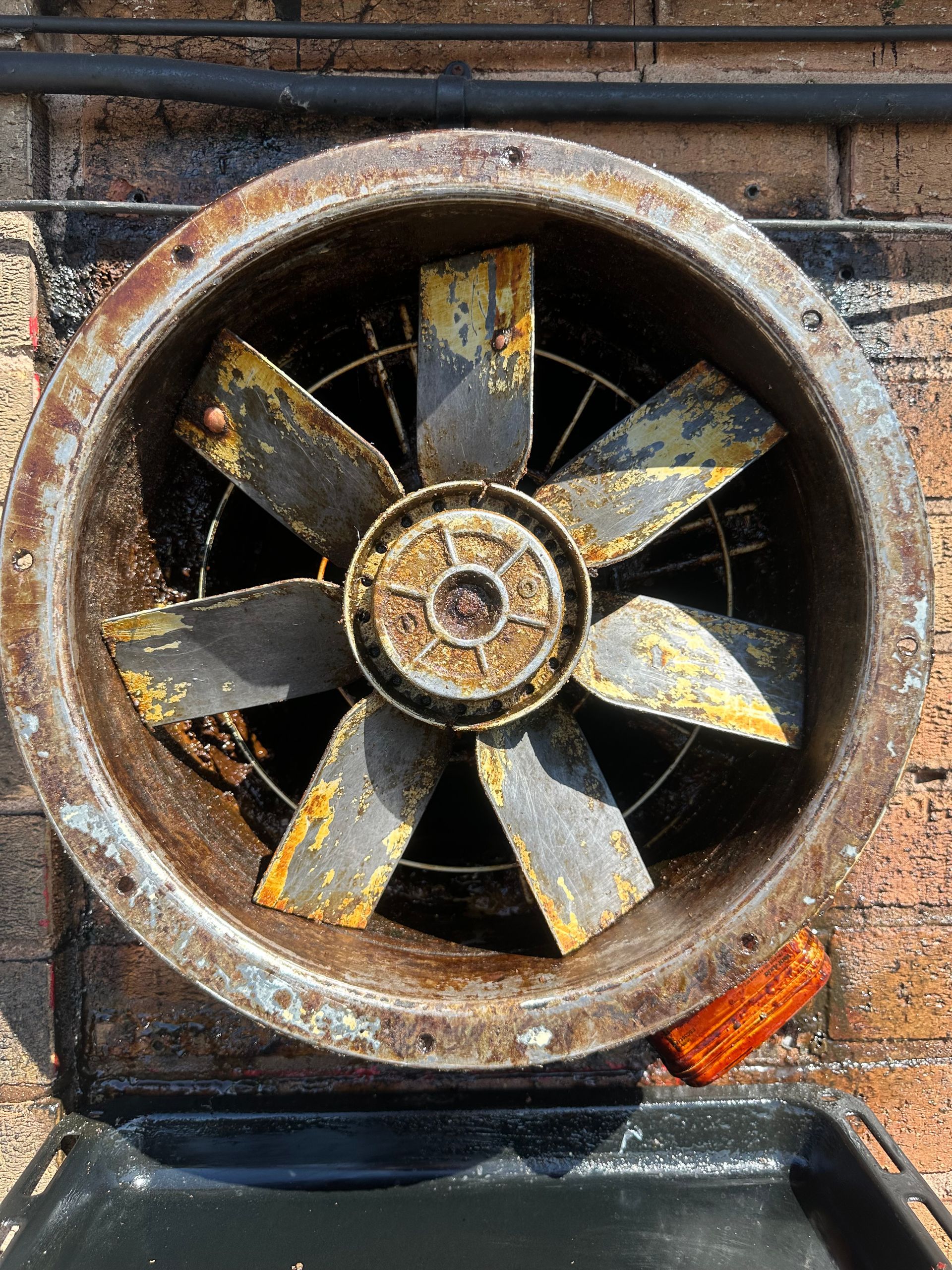 After
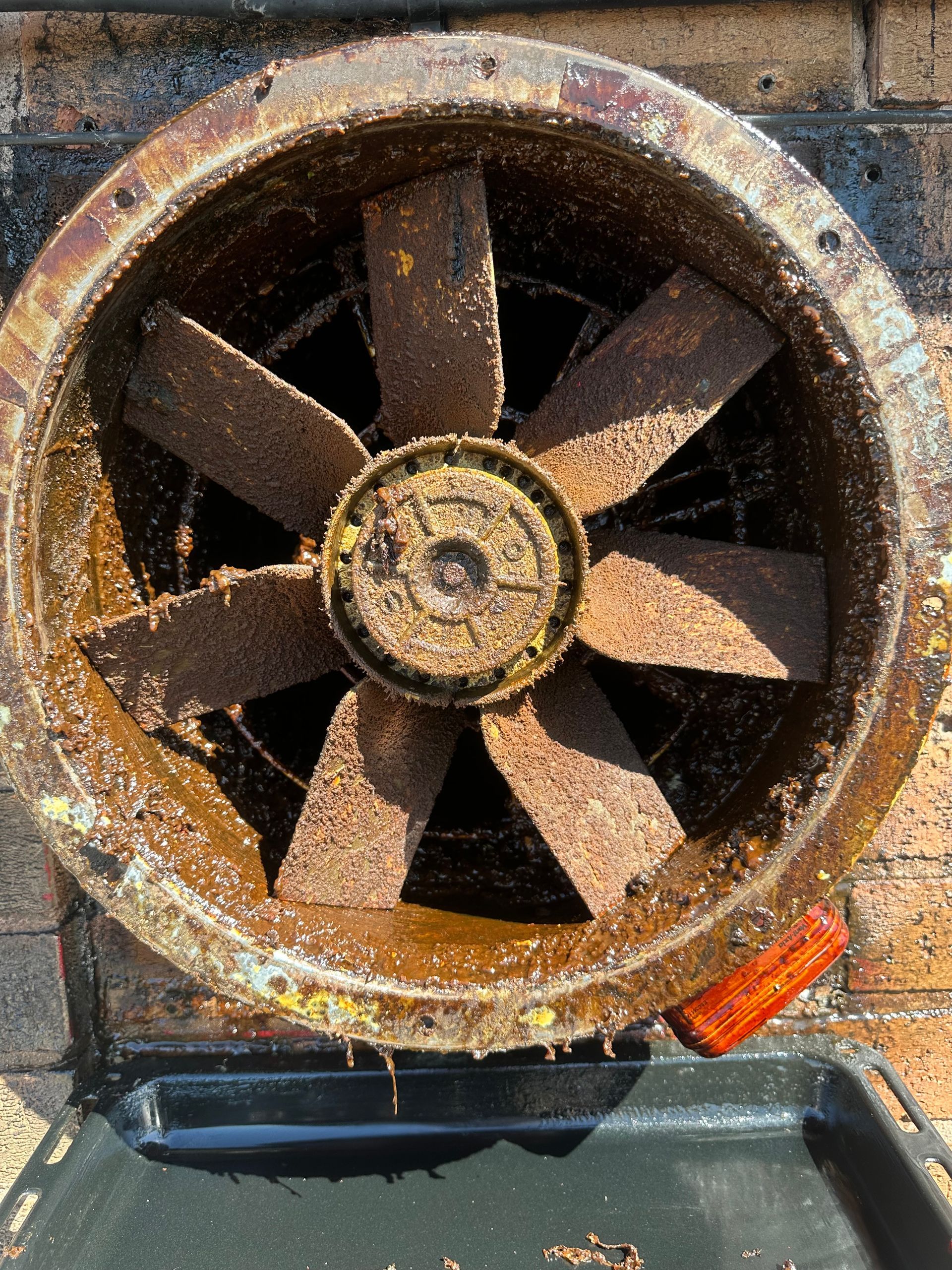 Before
Manage Grease Build-Up as a Fire-Risk Issue, Not Just a Cleaning Issue
Commercial kitchen extraction systems handle smoke, grease and cooking vapours every day.
Over time, grease can build up on internal surfaces, increasing fire risk and making the system harder to maintain.
A canopy can look reasonably clean while grease remains further inside the ductwork, which is why TR19 Grease focuses on the wider extraction system rather than appearance alone.
Base the Cleaning Schedule on How the Kitchen Is Actually Used
There is no single cleaning interval that suits every commercial kitchen.
BESA guidance provides baseline cleaning frequencies based on system use, but the right interval can also depend on operating hours, cooking methods, grease production, system condition, previous cleaning reports, fire-risk assessment and insurance requirements.
A heavily used kitchen may need cleaning more often than one with shorter operating hours or lighter cooking activity.
If the kitchen gets busier, the menu changes or more frying and chargrilling is introduced, the cleaning schedule may need to change too.
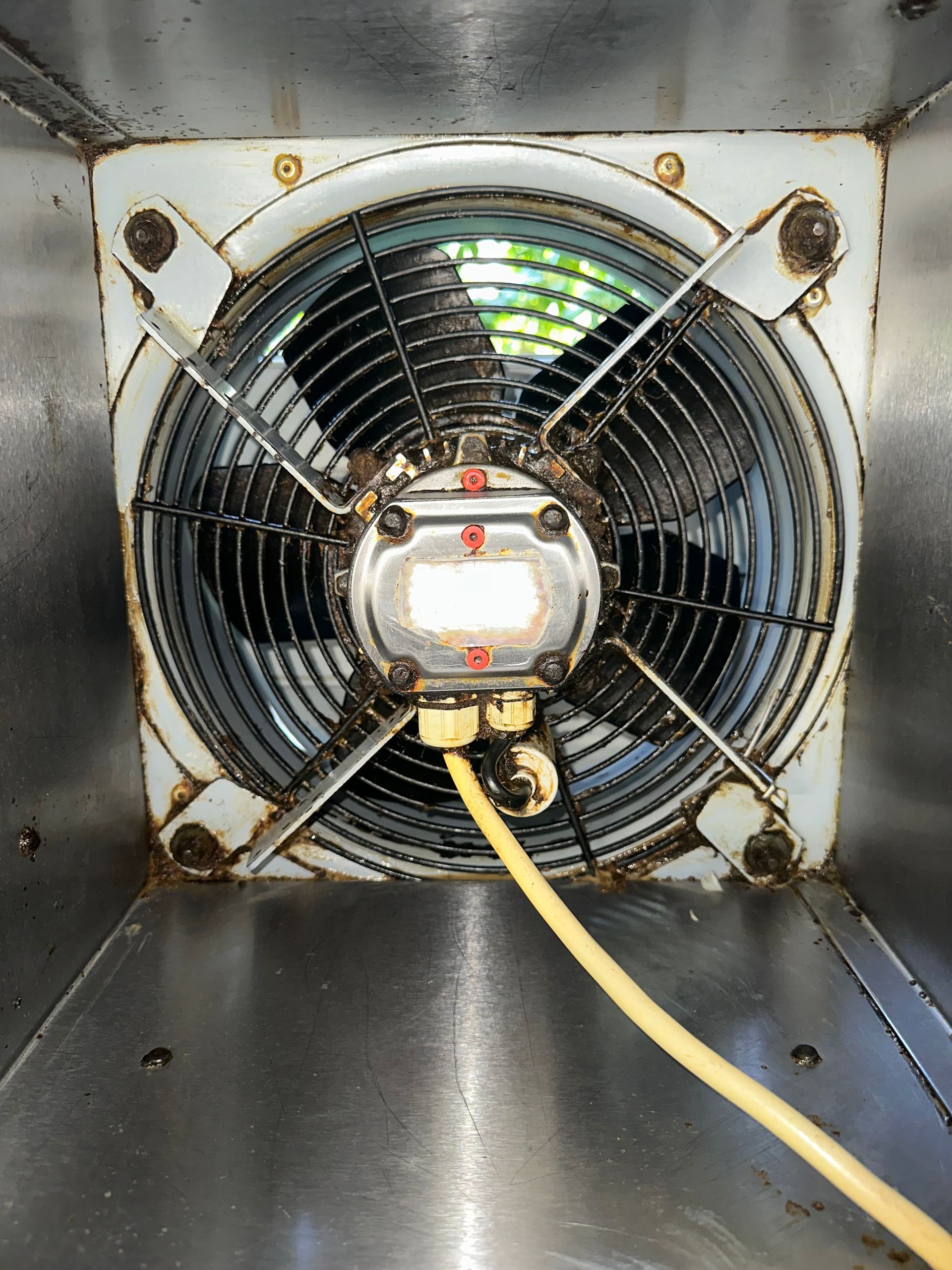 After
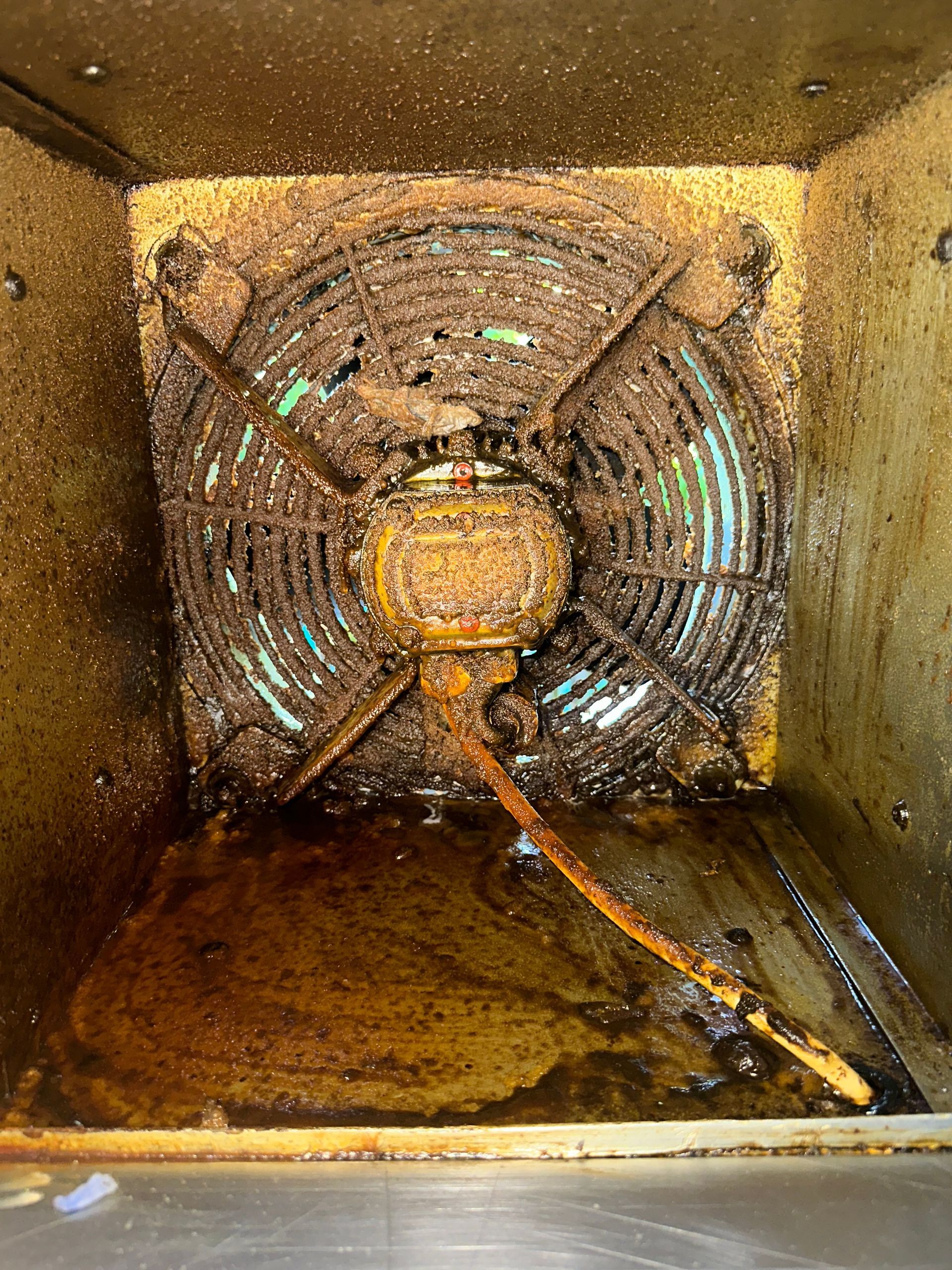 Before
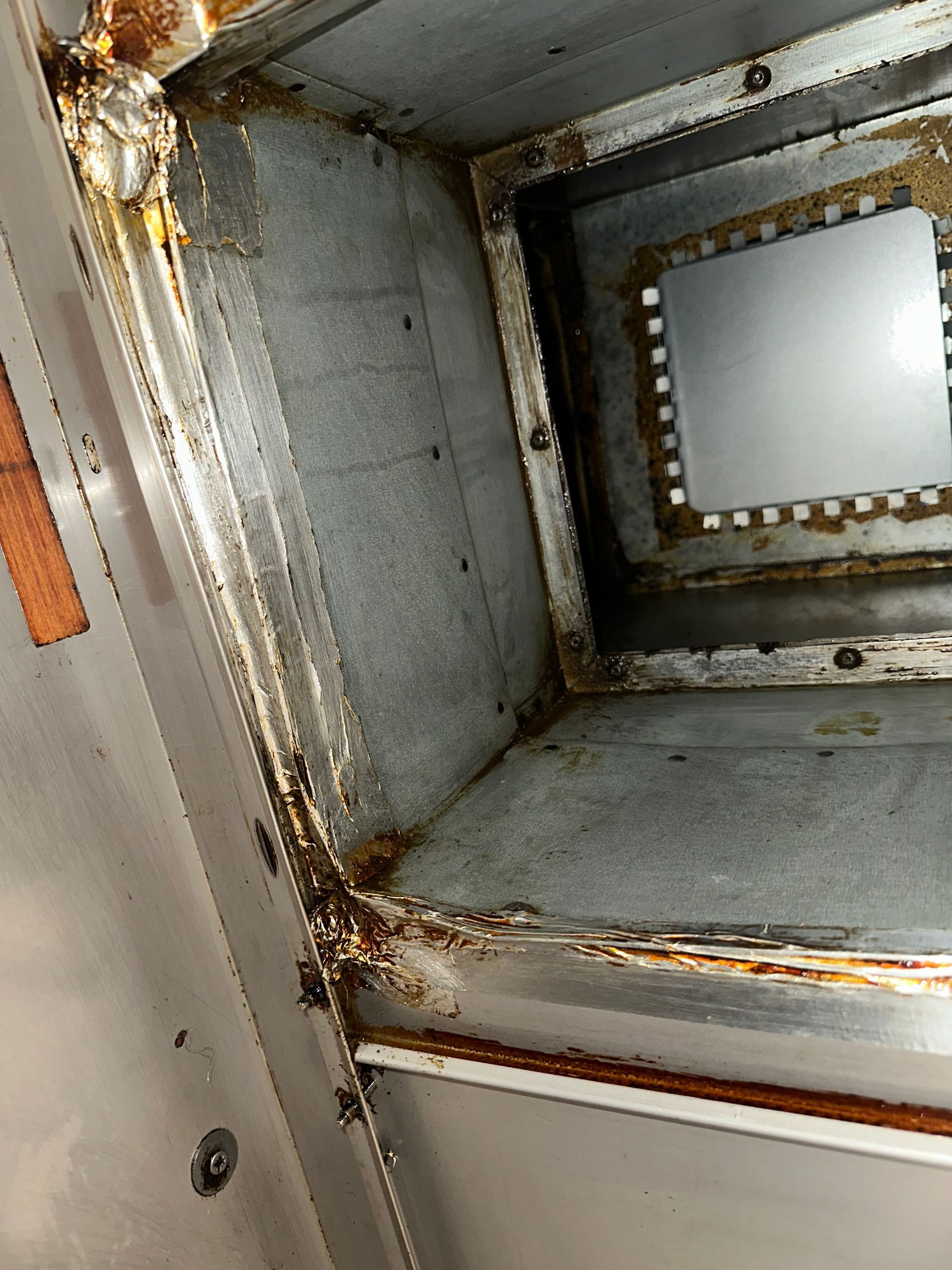 After
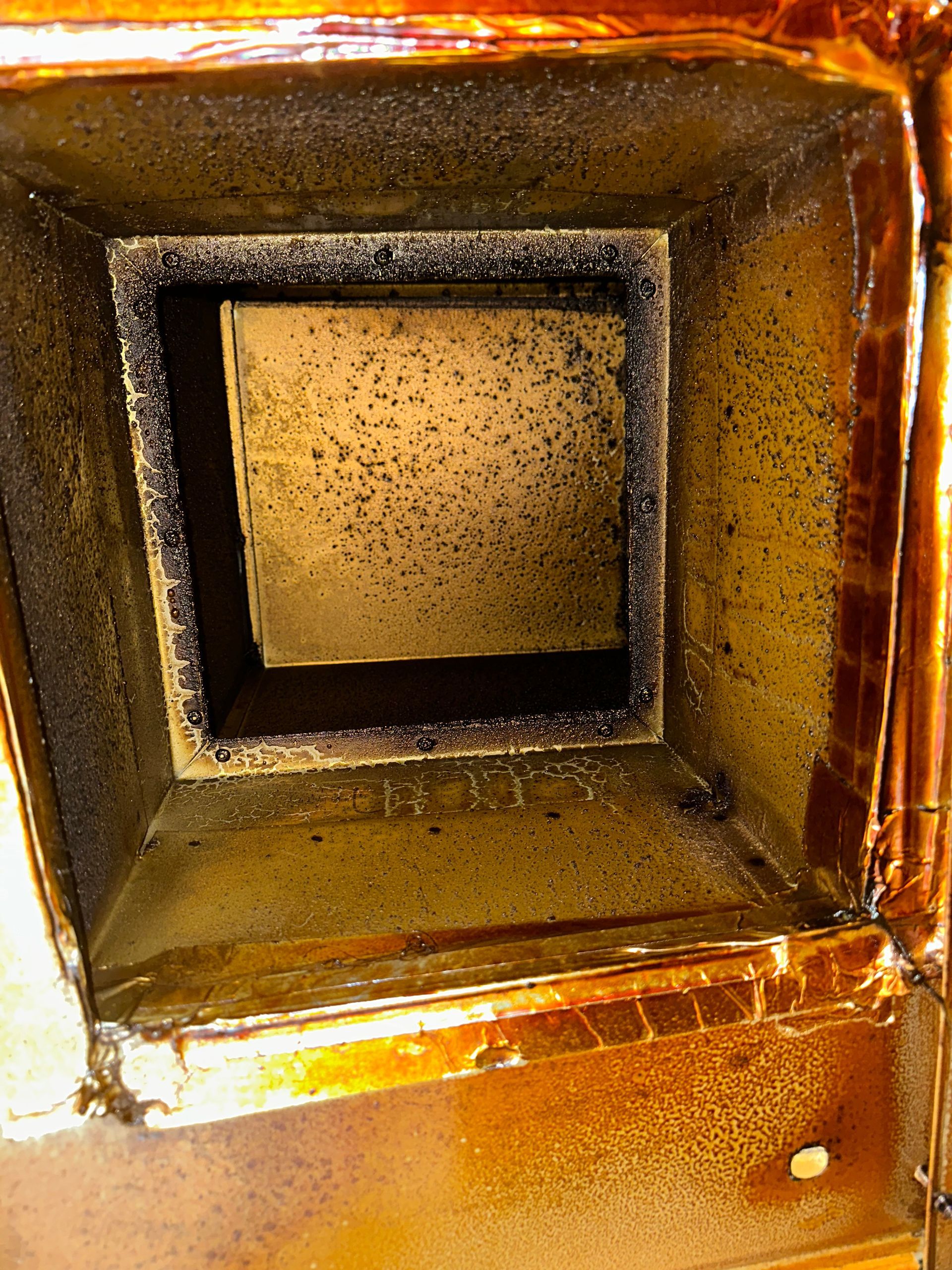 Before
Cleanliness Should Be Assessed, Not Judged by Appearance Alone
TR19 Grease includes measurable cleanliness criteria, so the condition of the system is not judged purely by how the ductwork looks.
You do not need to measure grease deposits yourself. Your contractor should have a recognised way to assess them and provide evidence of the work completed.
Make Sure the Contractor Can Reach the Areas That Need to Be Cleaned
Commercial kitchen ductwork may run through ceiling voids, roof spaces, plant rooms, vertical risers and other concealed areas.
If internal surfaces cannot be reached, they cannot be properly inspected or cleaned.
TR19 Grease and fire-safety guidance therefore place importance on suitable access to internal ductwork.
Where access is limited, additional access panels may need to be considered.
If a previous cleaning report identifies inaccessible sections, that is something to review before the next service rather than simply carrying the same limitation forward.
 After
 Before
 After
 Before
Expect the Contractor to Assess, Access, Clean and Record the System
The exact process will vary depending on the system, but a professional TR19-aligned clean should involve more than cleaning the canopy.
The contractor will usually need to understand the system layout, the areas that require cleaning, available access points, any restricted sections, the level of grease accumulation and how the work can be completed around kitchen operations.
The system can then be cleaned to the agreed scope.
For restaurants, hotels, pubs, care homes and other busy kitchens, access and downtime should be planned around normal service wherever possible.
Keep Clear Evidence of What Was Cleaned and What Was Found
After a clean, operators should have a usable record of the work carried out.
Depending on the contractor and the system, this may include:
- Identification of the system cleaned
- Areas included in the cleaning scope
- Before-and-after photographs
- Pre- and post-clean measurements where applicable
- Details of inaccessible areas
- Recommendations for future cleaning
- A post-clean report
- Certification relating to the work completed
For multi-site operators, consistent records can also make it easier to keep track of cleaning dates, access issues and future maintenance across several kitchens.
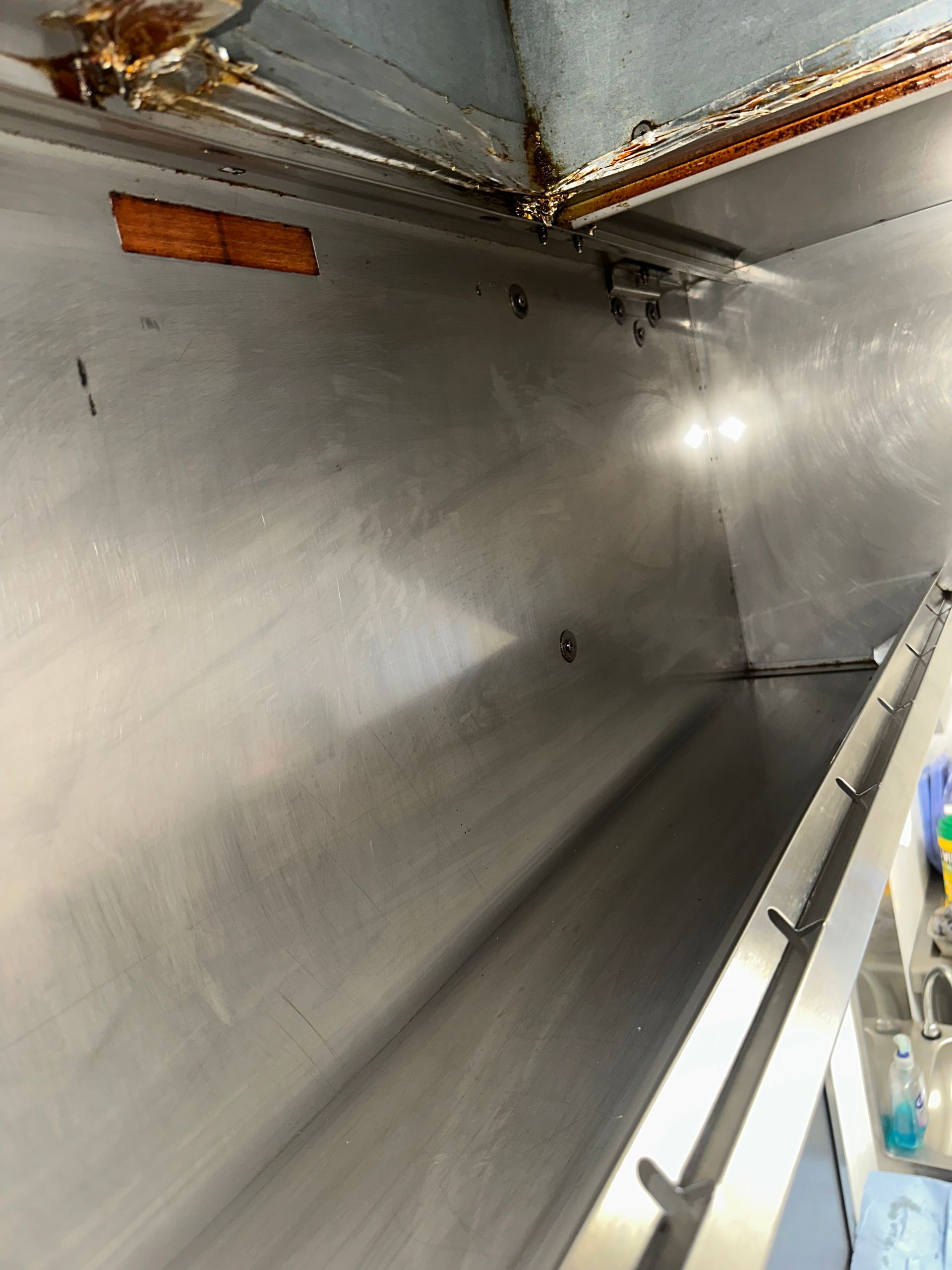 After
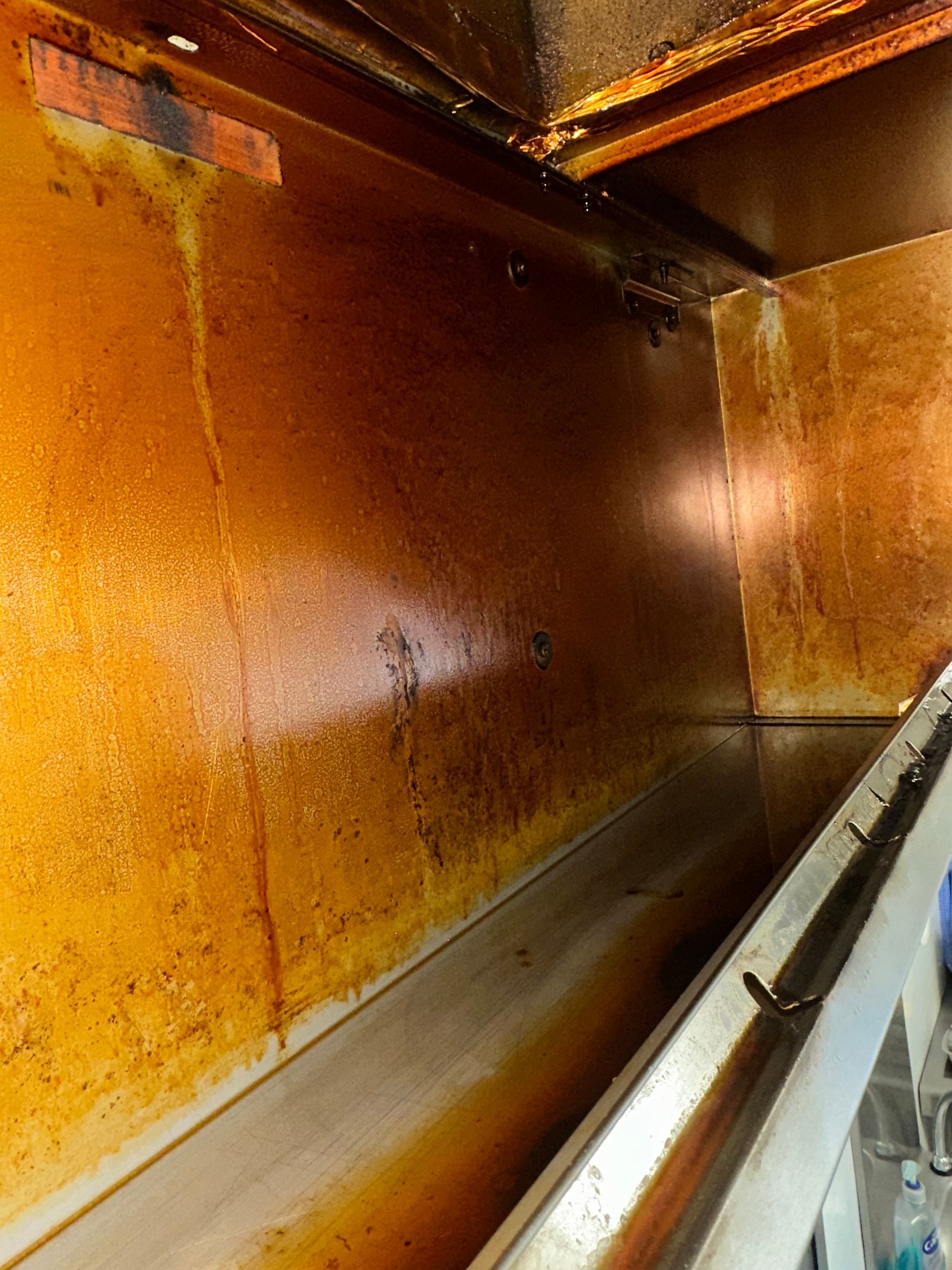 Before
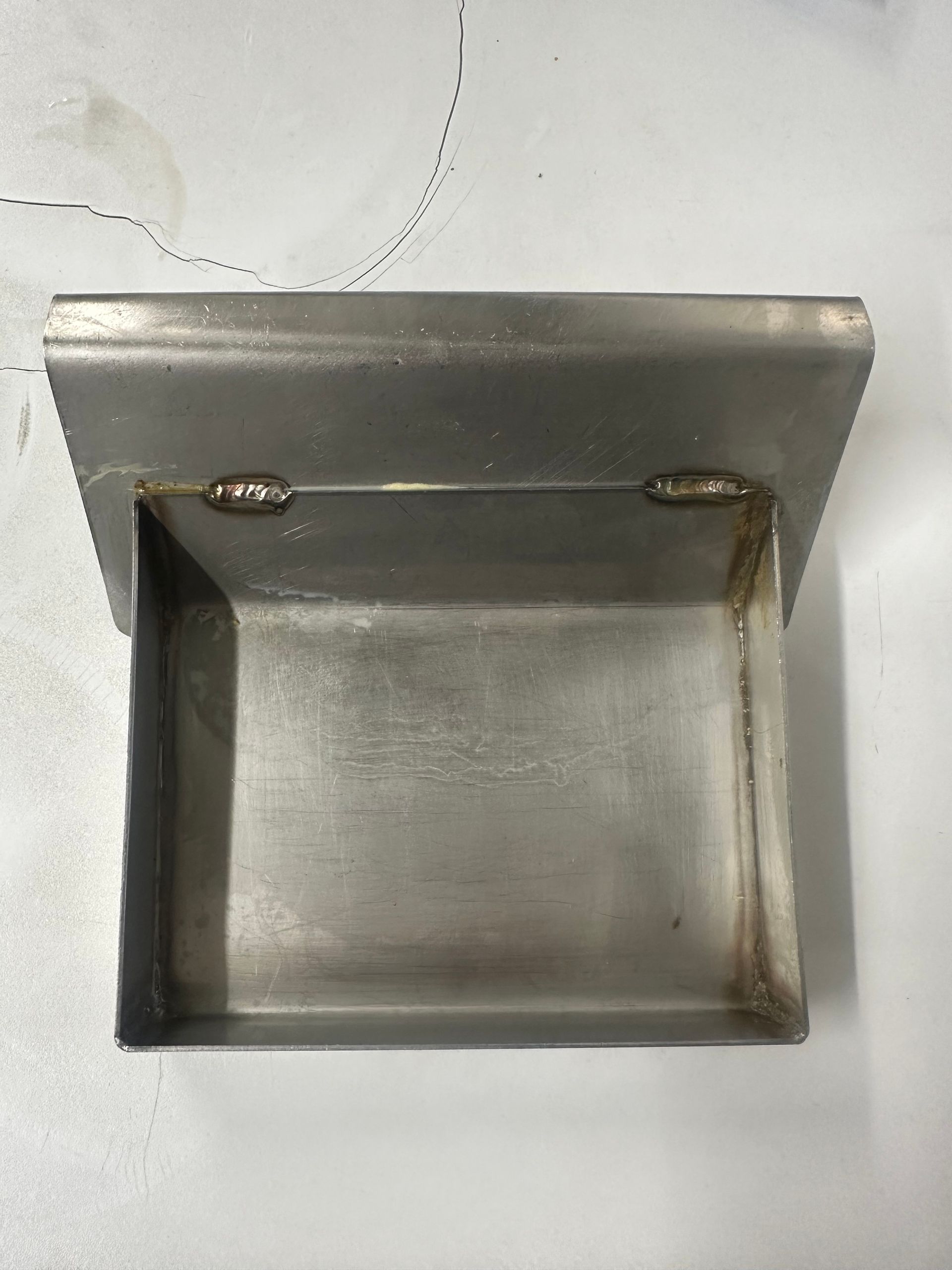 After
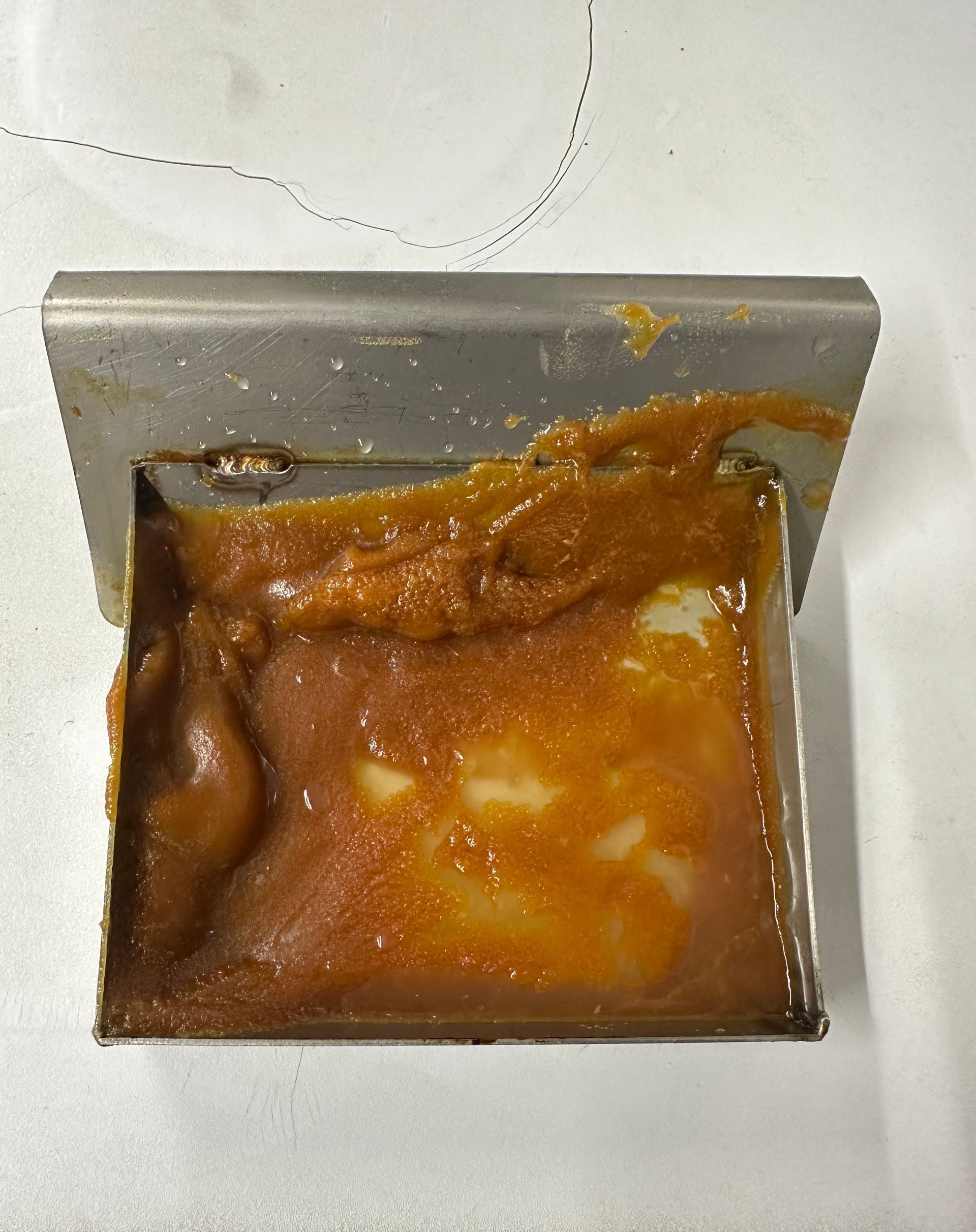 Before
Understand the Difference Between an Industry Specification and Your Wider Fire-Safety Responsibilities
TR19 Grease itself is not legislation.
Commercial premises are subject to wider fire-safety duties, and the responsible person for the premises must manage fire risks appropriately.
TR19 Grease gives operators an industry-recognised framework for managing grease-related fire risk within kitchen extraction systems, but holding a TR19 certificate does not automatically make a business legally compliant.
Check What Evidence Your Own Insurer Expects From You
Insurance requirements vary between policies.
Some insurers may expect evidence that commercial kitchen extraction systems are being inspected and cleaned appropriately, so reports, photographs and certification can be useful records to keep.
Check your own policy rather than assuming the same requirement applies to every business.
After
Before
After
Before
Compare the Cleaning Scope, Access and Reporting Before You Choose on Price Alone
If you are comparing extraction cleaning contractors, ask what the quoted service actually includes.
Useful questions include:
- Which parts of the extraction system will be cleaned?
- How will the internal ductwork be accessed?
- What happens if parts of the system cannot be reached?
- How will grease levels be assessed?
- Will you receive before-and-after evidence?
- What reporting and certification will be provided?
- Will future cleaning recommendations be included?
- Can the work be scheduled around kitchen operating hours?
Two quotations can look very different once you understand how much of the system each one actually covers.
Arrange Full-System Extraction Cleaning Across Derbyshire, Nottinghamshire, Leicestershire and Lincolnshire
At Ductability, we have more than 40 years experience cleaning commercial kitchen extraction in the East Midlands, including TR19-aligned cleaning for restaurants, pubs, hotels, care homes and other commercial kitchens.
Our extraction cleaning services can include canopies, filters, ductwork, drip trays and extraction fans, with reporting, certification and before-and-after evidence provided following the work.
We cover locations across Derbyshire, Nottinghamshire, Leicestershire and Lincolnshire, including areas such as Derby, Nottingham and Leicester.
Before cleaning begins, we can inspect the system, review access and establish what needs to be included in the cleaning scope.
 After
 Before
 After
 Before
Find Out What Your System Needs Before You Commit to the Work
If you are unsure when your extraction system was last fully cleaned, whether the current cleaning scope covers the whole system or whether your existing schedule still suits the way your kitchen operates, a site inspection is a practical place to start.
Ductability offers free site inspections and no-obligation quotations for commercial kitchen extraction cleaning across the Midlands.
Contact us to arrange a site inspection and discuss your TR19 extraction cleaning requirements.